

Truck DPF, SCR & DOC Cleaning
Making the emission components of trucks work in harsh conditions, they may be covered by soot, ash, hydrocarbons, and other deposits over time. A professional Truck DPF, SCR, and DOC Cleaning Service in India is dedicated to the effective evaluation of these elements and the application of the correct cleaning process to eliminate the built-up contamination without applying the same process to all trucks.
The service may include:
- Cleaning of the DPF to remove the accumulated ash and soot in the diesel particulate filter.
- SCR cleaning in response to deposits and contamination of the selective catalytic reduction component.
- DOC cleaning to clean out the deposits on the diesel oxidation catalyst.
- Inspection of pre-cleaning to determine the condition of every element.
- Proper cleaning depends on the type of component and level of contamination.
- Checking the drying and post-cleaning of the component before it is reused.
Machine Installations Across India
Service Centres
Team Members
Professional Support
When Your DPF Needs Attention
Recognizing the early signs of DPF restriction can help you seek professional assessment before the issue becomes more serious.

DPF Warning Light
A warning light may indicate excessive soot loading or that normal regeneration is no longer clearing the filter effectively.
Power Loss or Limp Mode
Restricted exhaust flow can affect engine performance and may cause the vehicle to enter a reduced-power mode.

Sudden Drop in Fuel Economy
Repeated regeneration attempts and increased exhaust restriction can contribute to higher fuel consumption.

Emission or Diagnostic Issues
A restricted or malfunctioning DPF can contribute to emissions-related faults and may require professional inspection.
A Controlled, Measured Process
DFP cleaning professionals have the appropriate equipment and processes to perform, and each step is tailored to the status and needs of the filter.
Diagnosis
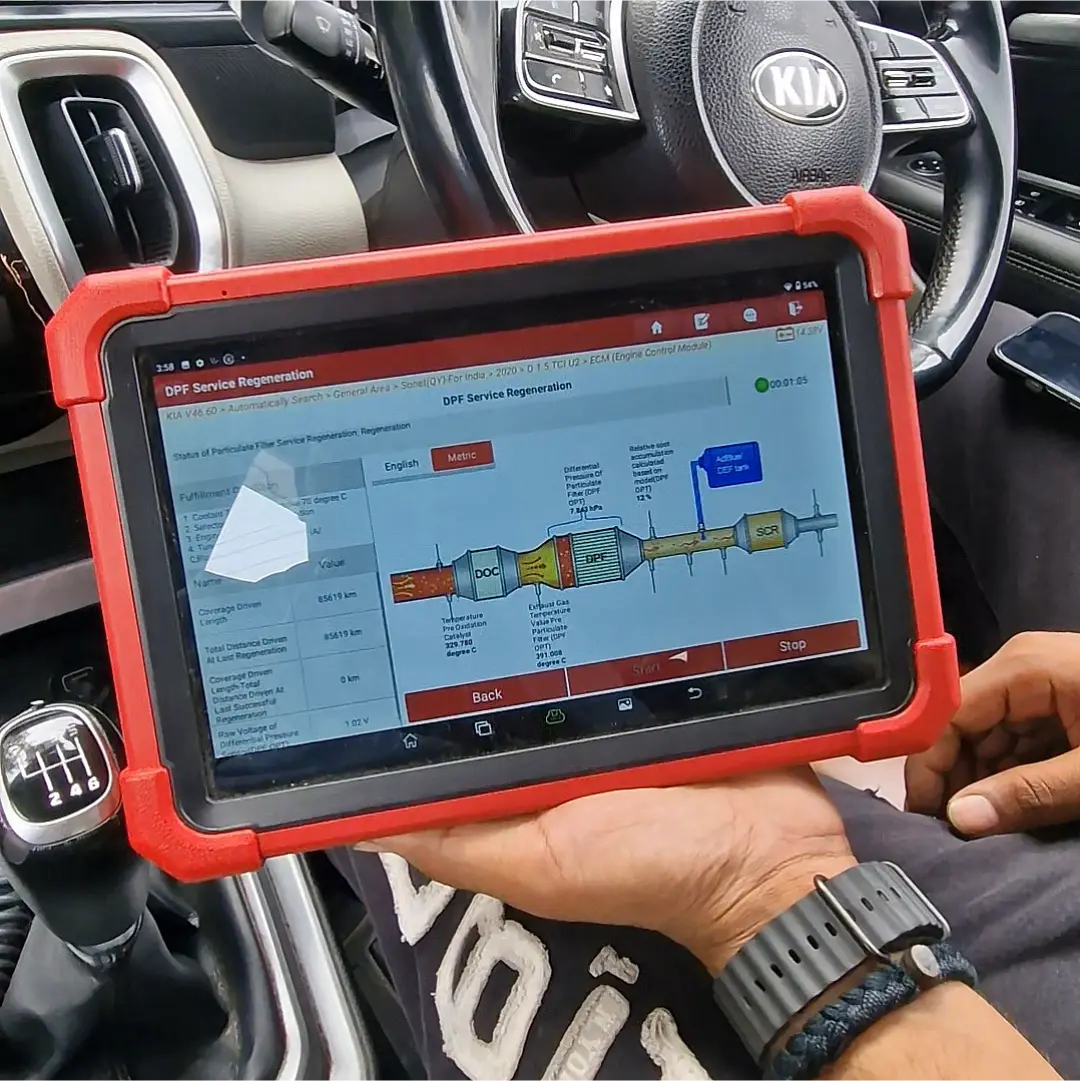
The service provider assesses the vehicle and DPF condition using relevant diagnostic information and, where applicable, initial backpressure or flow readings.
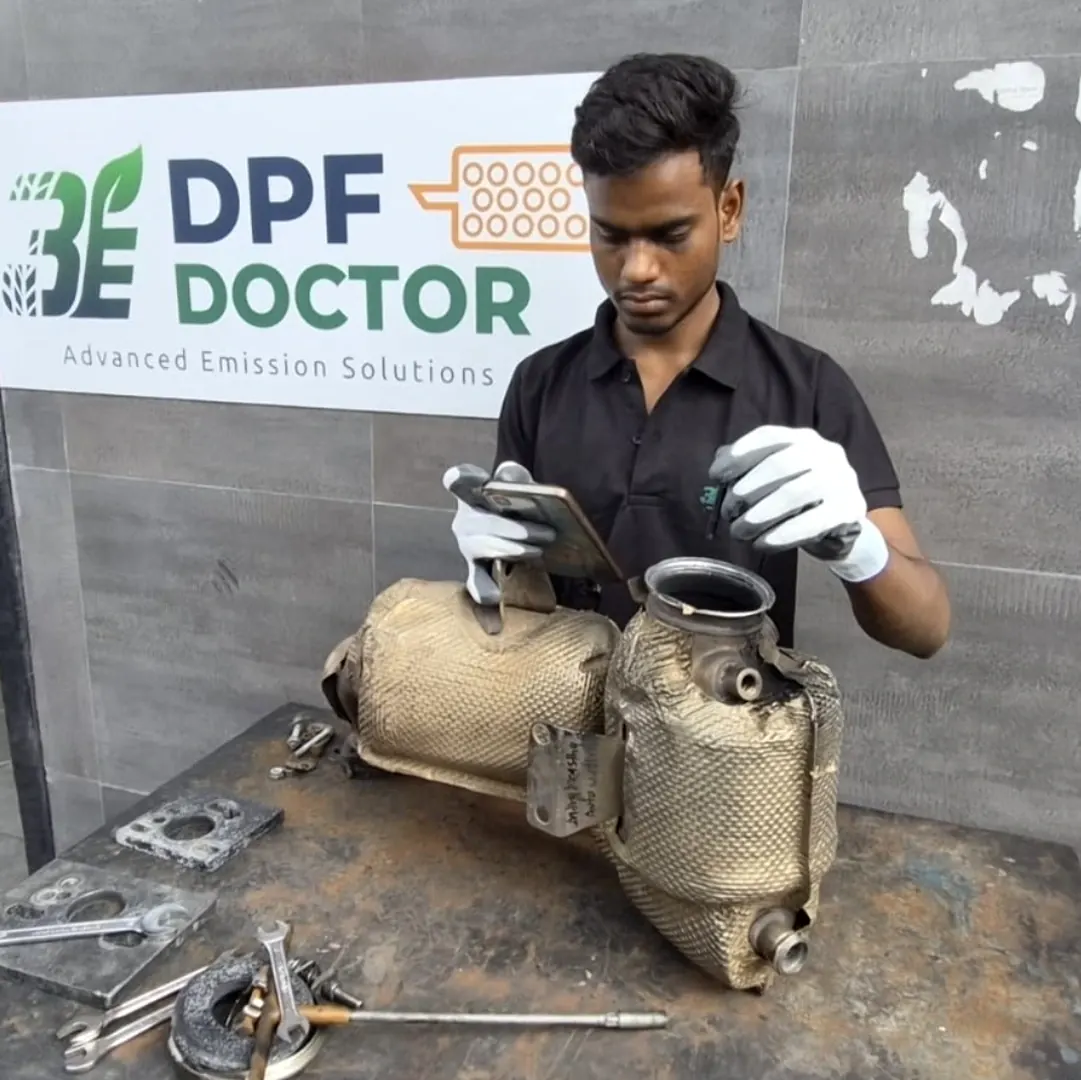
Removal
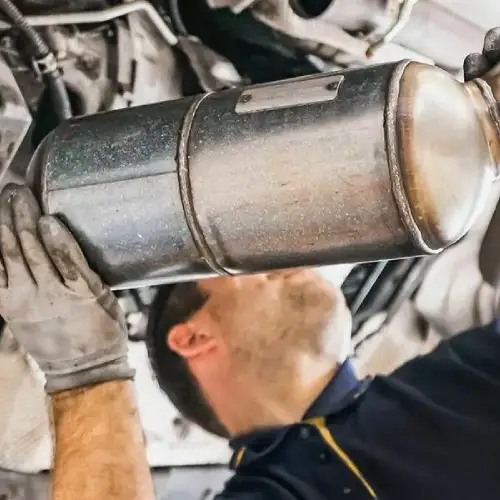
The DPF is carefully removed from the vehicle following appropriate procedures, with attention to connected sensors, fittings, and components.
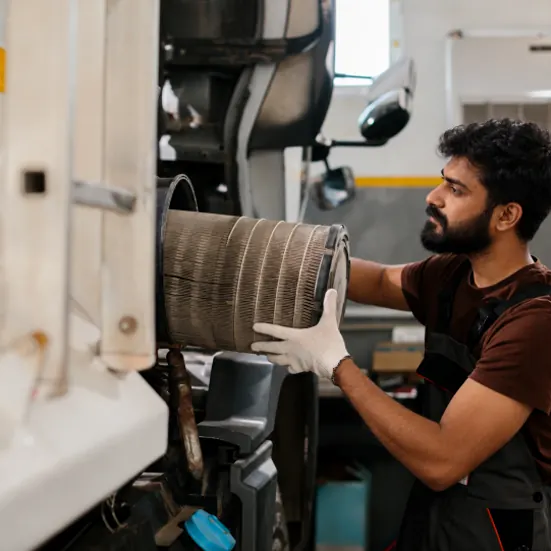
Cleaning Cycle
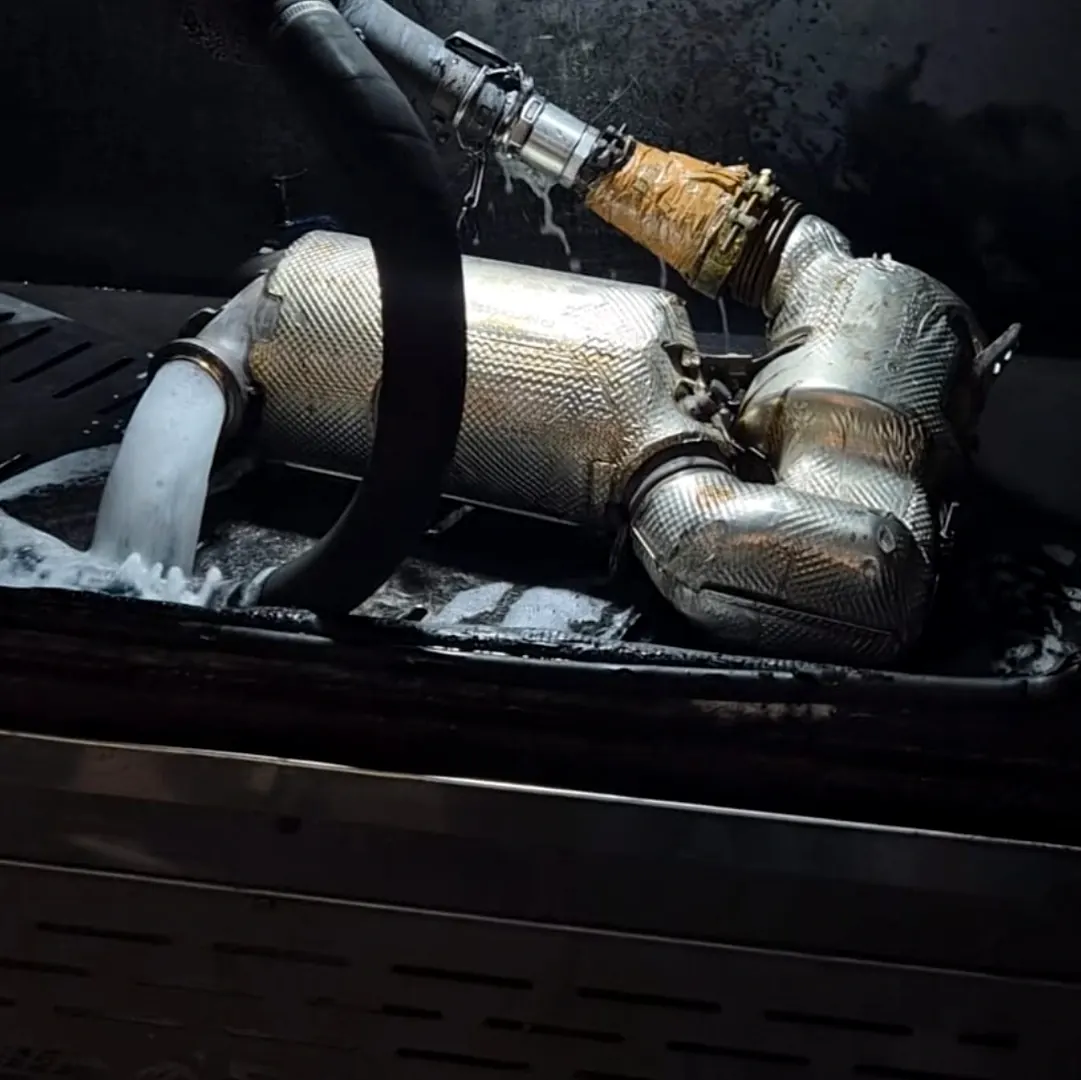
The filter undergoes a suitable professional cleaning process designed to address accumulated contamination according to its condition and the equipment being used.
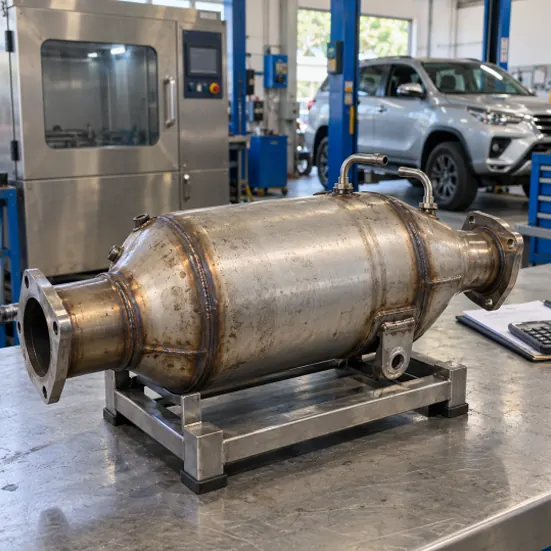
Drying & Testing
After cleaning, the filter is properly dried and may be tested to assess its condition and flow performance.
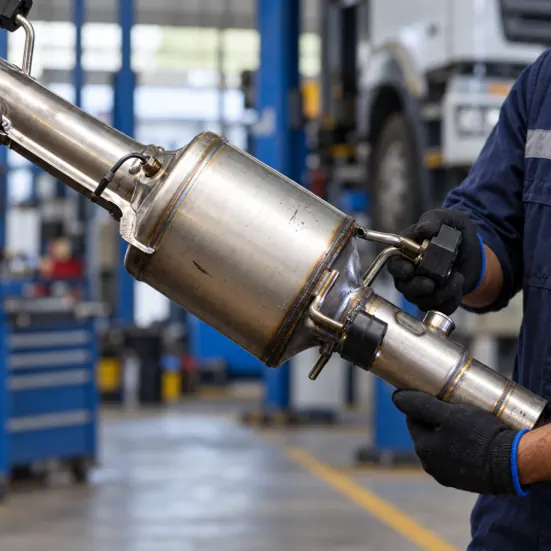
Refit & Report
Once considered suitable for reuse, the DPF is refitted and the service provider may provide relevant inspection, testing, or before-and-after service details.
Aqua Cleaning vs. Quick-Fix Shortcuts
Every workshop offers one of these four. Only one is legal, complete and repeatable.
| What the buyer should check | 3E DPF Doctor professional process | Direct jet-water washing | Open compressed-air blowing |
|---|---|---|---|
| DPF condition checked first? | Inspect the filter and assess whether it is suitable for cleaning. | Often skipped in a quick wash. | Often skipped in a quick blow-out. |
| What the method mainly does | Uses a controlled cleaning workflow suited to the component and contamination. | Flushes material with tap water. High NaCl | Dislodges loose deposits with air. |
| Soot addressed? | Assessed and cleaned where the filter is serviceable. | May remove some soot. | May dislodge loose soot. |
| Accumulated ash removed? | The process should include an appropriate removal stage and post-cleaning check when ash is the concern. | A hose alone does not prove this. | Properly engineered reverse-flow pneumatic cleaning can remove ash; open air blowing is not the same process. |
| Control over the process | Use documented settings and handling appropriate to the machine and DPF type. | Direct jet pressure, direction and drying may not be controlled. | Pressure, dust capture and direction may not be controlled. |
| Potential concern if used carelessly | NO | An aggressive jet or inadequate drying may damage a vulnerable filter. Also deposition of NaCL | Uncontained dust exposure or incomplete cleaning. |
| Result verified? | Record applicable before-and-after inspection and flow or pressure measurements. | No Proof for result | No proof for result and validation |
| Best description | Measured DPF cleaning for serviceable filters. | A quick wash is not automatically a complete DPF service. | An open blow-out is not the same as professional pneumatic ash cleaning. |
| What the buyer should check | Heat-only “burning” | HHO carbon cleaning | Chemical spray or soak only |
|---|---|---|---|
| DPF condition checked first? | Must be checked before heating. | Typically treats the engine on-vehicle, not the removed filter. | May be applied before the filter’s condition is established. |
| What the method mainly does | Oxidizes combustible soot at very high temp 700-1000 Celcius | Targets engine carbon deposits; it is not a physical DPF ash-extraction process. | Loosens deposits according to the chemical and application. |
| Soot addressed? | Can oxidise soot under a controlled thermal cycle or may damaged the filter | May influence soot indirectly through engine or regeneration treatment; not equivalent to off-vehicle DPF cleaning. | May loosen soot, depending on formulation. |
| Accumulated ash removed? | No—not by heating alone. | No physical ash extraction. | A spray or soak alone does not establish that trapped ash has been extracted. |
| Control over the process | Heating and cooling may not be controlled | Does not directly control cleaning inside each DPF channel. | Chemical compatibility, concentration, contact time, rinsing and drying matter. |
| Potential concern if used carelessly | Thermal stress or ash remaining after soot is burned. May crack the ceramic | Mistaking an on-engine carbon service for DPF ash cleaning. Will clogged the DPF | Residual chemical or unresolved restriction if there is no complete removal and rinse process. May block the dpf |
| Result verified? | No proof for result and validation | No proof for result and validation. | No proof for result and validation |
| Best description | Thermal treatment is a stage, not necessarily a finished clean. | An engine-carbon service is not a substitute for DPF ash removal. | Chemistry may assist cleaning; spraying alone is not proof of a clean filter. |
DPF Cleaning Cost In India
Published, not hidden behind an enquiry form. The exact figure depends on the vehicle and how far the filter has gone.
SCR Cleaning Charges ₹7000/-
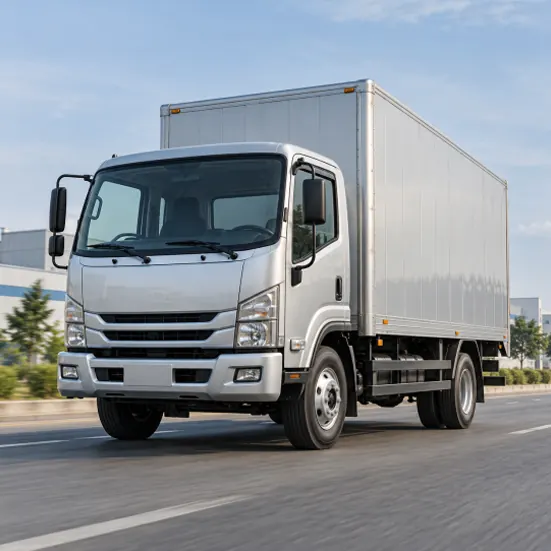
DPF Cleaning Charges LCV ₹3000/-
MCV Cleaning Charges ₹4000/-
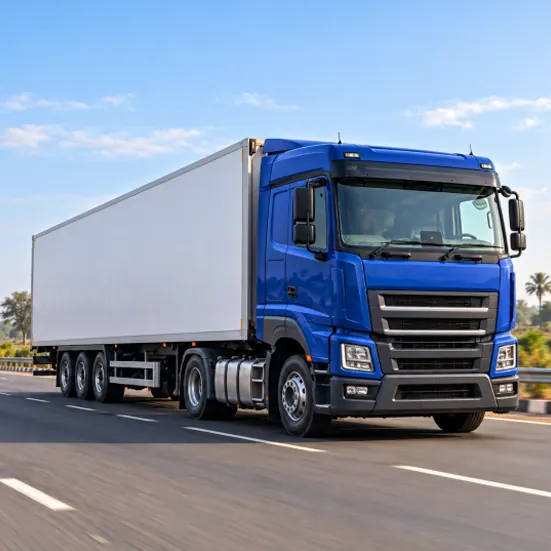
HCV Cleaning Charges ₹5000/-
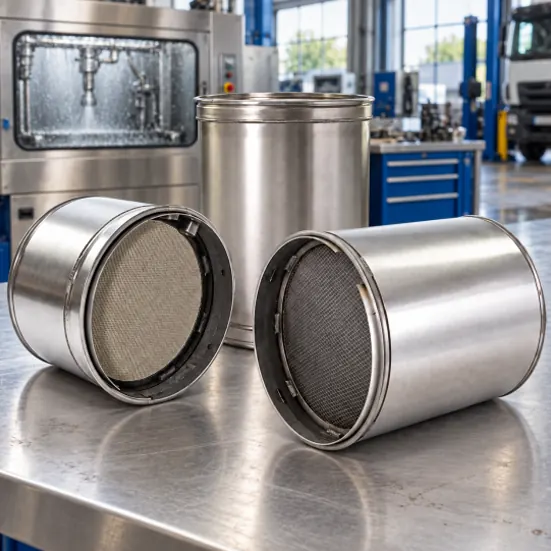
DOC Cleaning Charges ₹3000/-
Important Disclaimer: 3E DPF Doctor is not a direct service provider of DPF cleaning or any other automobile service. It assists users in finding and networking with pertinent vendors/service providers who might provide the service needed. The real cleaning will be done by the particular vendor. 3E DPF Doctor is not liable in regard to the workmanship, quality of services, prices, availability, turnaround time, outcome, warranty, damage, loss, or any other issues related to the services of the vendor. The customers must personally confirm the details of the vendor and service, its prices, terms, and the appropriateness before making a purchase.
What Are DPF, SCR & DOC Systems?
The exhaust after-treatment system of a truck may include a number of components that perform various functions. Knowing the functions of each part facilitates the explanation of why a truck might need a checkup or a wash and why one form of cleaning would not always be able to substitute for another.
What Is a Truck DPF?
A Diesel Particulate filter traps the diesel exhaust gases. Soot and ash may build up inside the filter over time, and normal regeneration may decrease soot under appropriate conditions but not necessarily remove all of the accumulated ash.
This is why it is possible to resort to truck DPF cleaning in the case when it is evaluated that the accumulated material is a contributor to restriction and that the filter could be cleaned.
What Is a Truck SCR System?
Selective Catalytic Reduction system assists in regulating the production of nitrogen oxide emissions through the application of a fluid based on urea, also referred to as AdBlue, in the post-exhaust treatment. Problems in this system may include deposits, dosing parts, sensors, or catalyst-related problems.
SCR cleaning can be taken into consideration where it is appropriate once the system has been duly evaluated, especially where it is being influenced by deposits or crystallisation.
What Is a Truck DOC?
Diesel Oxidation Catalyst assists in the treatment of some of the exhaust and aids the overall after-treatment system. Its performance may be impacted by deposits or contamination, and this may also affect the conditions under which regeneration can be effective.
An appropriate diesel oxidation catalyst cleaning process could thus be considered when the inspection reveals that the DOC should be looked into.
Common Signs Your Truck Needs DPF, SCR, or DOC Cleaning
When the after-treatment system of a truck is not functioning properly, the truck can exhibit a number of signs. Nevertheless, the identical symptom might be caused by other factors, and hence, diagnosis should precede making the decision on which aspect needs cleaning.
Typical symptoms can include:
- DPF or emission-system warning lights.
- Increased exhaust backpressure
- Recurrent or unsuccessful regeneration.
- Reduced engine performance or derating.
- SCR warnings or AdBlue warnings.
- Crystallisation of components of interest.
- Changes in regeneration behaviour
- Diagnostic fault codes
As an operator who handles commercial vehicle DPF cleaning, the earlier the symptoms are identified, the easier it is to ascertain whether the problem is with the DPF, SCR, DOC, sensors, regeneration system, or some other engine-related problem.
DPF vs SCR vs DOC: What Is the Difference?
DPF, SCR, and DOC do not serve the same purposes and thus cannot be considered interchangeable parts. The DPF mainly deals with PM, the SCR system assists in dealing with NOx emissions, and the DOC provides assistance with the oxidation-related treatment of exhaust.
This difference matters since heavy vehicle DPF cleaning deals with the state of the particulate filter, while the SCR and the diesel oxidation catalyst (DOC) are the focus of SCR catalyst cleaning and diesel oxidation catalyst cleaning, respectively. The relevant process will be determined depending on which aspect has been identified as in need.
|
Component |
Primary role |
Possible concern |
|
DPF |
Captures particulate matter |
Soot, ash, and restriction |
|
SCR |
Helps reduce NOx emissions |
Deposits, crystallisation, or system faults |
|
DOC |
Supports exhaust oxidation |
Contamination and restricted performance |
When Does a Truck Need DPF, SCR, or DOC Cleaning?
Cleaning can be taken into account when the inspection and diagnostic data show that the deposits or contamination built up on a component of the after-treatment, and the component is still suitable to be restored.
Using the example of AdBlue crystallisation, which can be necessary in the area of SCR system, and the accumulated soot or ash potentially causing DPF-related issues. It is advisable to base the decision on the real state of the component instead of just adhering to a set cleaning schedule.
Truck DPF, SCR & DOC Diagnostic Inspection
The vendor can check fault codes, warning indicators, regeneration history, backpressure readings, sensor data, and other diagnostic data the vendor may have prior to cleaning. This will assist in the differentiation between a clogged or contaminated part and a fault in an engine or emission system.
The correct inspection can assist in identifying the necessity for SCR urea crystallisation, accumulation of particles, contamination by DOC, sensor-related problems, or some other reason. This is particularly significant since correcting the part that is not the cause of the issue might not resolve the initial issue.
Before-and-After Performance Testing
Pre-and post-cleaning tests can be quite useful in telling how the conditions are in the component and whether any measurable changes have taken place. Relevant parameters can be airflow, pressure, or other system readings depending on the equipment and procedure employed by the vendor.
DPF cleaning assessment should be aimed at doing more than merely eliminating visible deposits. Providing the appropriate measurements before and after the procedure may provide the vendor with a more convincing point for analyzing the condition of the filter.
Our Truck DPF, SCR & DOC Cleaning Process
The specific process might depend on the truck, part, contamination, equipment, and vendor, but a common process might include:
- Initial Assessment— Vehicle symptoms and diagnostic data are examined.
- Component Identification — The involved DPF, SCR, or DOC component is identified.
- Removal, Where Required — The component can be removed to be externally inspected and cleaned.
- Pre-Cleaning Inspection — Physical condition and relevant measurements are checked.
- Cleaning — A suitable process is chosen depending on the component.
- Drying and Inspection — The part is ready to undergo additional tests.
- Post-Cleaning Testing —Comparable readings of pre-cleaning results can be compared to relevant readings.
- Reinstallation — The part is reattached in the area where it was removed.
- System Checks —The appropriate vehicle and after-treatment functions are checked.
In the case of specialised needs like the tata truck DPF cleaning, the process must be chosen based on the type of truck model and condition of the component, instead of using the same process for all trucks.
Truck Brands Our Service Providers Can Support
Our services network can assist the user in finding vendors that may assist with DPF, SCR, and DOC cleaning of other brands and models of trucks. The real availability of the service is dependent on the provider, vehicle model, condition of the components, and location; thus, the customers are advised to verify compatibility and service details before handing over.
The typical needs might be:
- Commercial truck cleaning DPF.
- Where supported, SCR and DOC cleaning.
- Check the soot and ash concentration.
- Evaluation of components of emission systems.
- Checks of suitability of cleaning prior to service.
- Post-cleaning inspection and reporting.
To illustrate, users who are searching for Ashok Leyland DPF cleaning can be linked with service providers that could be helpful in supporting compatible Ashok Leyland vehicles. Likewise, in the case of a Bharat Benz DPF issue, the relevant provider can examine the DPF of the vehicle and decide on cleaning, depending on its state.
The availability of the services may depend on the model of the truck, the design of the components, the location, and the capabilities of the provider. Before any work can be authorized, customers are thus advised to personally check on experience, price, turnaround time, cleaning procedure, and appropriateness of the provider.
Important Service Disclaimer
Truck DPF, SCR, DOC cleaning, regeneration, repair, maintenance, or any other service to the vehicle is not offered directly by 3E DPF Doctor. It just assists users in finding and linking up with pertinent vendors/service providers. The actual service is done by the respective vendor. Vendor workmanship, service quality, price, availability, turnaround, results, warranty, damage, loss, and any other service-related issue are not the business of 3E DPF Doctor. All the service details must be verified independently by customers.
DPF, SCR & DOC Cleaning for Different Truck Applications
Different trucks have different loads on the emission control elements, and thus, the cleaning requirement may vary with the nature of the truck, the conditions under which it is used, the mileage, and the degree of contamination. Our service network assists users in finding related vendors that might offer DPF, SCR, and DOC cleaning for compatible truck applications.
Service providers may support applications such as:
- Long-haul trucks: Long-period work on highways can lead to the accumulation of soot and ash on the elements of the emission in slow layers.
- Fleet trucks: This can be due to the fact that the trucks are in constant motion and that the trucks are heavily used; thus, they might need to be checked and cleaned often.
- Construction trucks: Dust, quantity, and rough working conditions can also contribute to an increased degree of contamination.
- Mining and off-highway trucks: Strenuous working conditions have the potential to add additional demands to DPF, SCR, and DOC systems.
- Distribution trucks: Multiple stops and starts, and operating in the city, may impair the normal regeneration process of diesel emission systems.
How Much Does Truck DPF, SCR & DOC Cleaning Cost?
The final cost will not be the same for all trucks, as the ultimate cost may be based on the truck, part, the level of contamination, the cleaning process, testing, removal, refitting, and the location.
When comparing quotations, operators should confirm:
- Which component is being cleaned
- Whether removal and refitting are included
- Testing before and after cleaning
- Cleaning method being used
- Expected turnaround
- Any additional charges
The commercial terms of a larger operator to give in to a fleet DPF maintenance contract might vary with the approach of a single vehicle service; therefore, the full scope must be clarified with the actual vendor.
What to Look for in a Professional Truck DPF Cleaning Service
An appropriate vendor must be in a position to explain why cleaning is being suggested, what will be checked, what procedure will be employed, and what tests will be performed before and after the work.
Operators should also consider:
- Knowledge of the type of truck.
- Suitable cleaning equipment
- Diagnostic capability
- Good pricing and scope of service.
- Expected turnaround time
- Post-cleaning checks
- Words that refer to warranty or service responsibility.
In case a business is looking for a continuous DPF AMC, the contract must specify the covered parts, inspection period, scope of cleaning, exclusions, and commercial conditions.
Where We Are — Where You Can Grow
We operate across India, with opportunities to establish your DPF cleaning business in new markets and serve local fleets.
We Clean Filters For
Our clients are the people who keep India’s diesel vehicles moving: garage owners, fleet managers, dealership service heads and franchise partners who want DPF problems fixed properly, not simply deleted.














DPF Basics, Answered
Clean ATS hardware improves fuel economy, reduces breakdowns and limp-mode events, stabilizes maintenance schedules and extends component life, directly improving cost-per-kilometer and asset utilization. Structured cleaning programs with good diagnostics and reporting can materially improve fleet margins and uptime
Yes, in most cases where the filter substrate is intact; cleaning restores capacity at a fraction of replacement cost and with shorter downtime, while replacement involves high parts cost and extended workshop time. Replacement is reserved for severely damaged or melted filters that cannot be safely restored.
OEM and fleet recommendations vary, but many heavy-duty and commercial applications benefit from scheduled DPF cleaning every roughly 1,00,000–1,60,000 km depending on duty cycle and soot load. Vehicles operating in high-idle, stop-start, or urban conditions may require more frequent attention due to incomplete passive regenerations and faster ash accumulation.