

Car & SUV DPF Cleaning
The DPF of a diesel vehicle is supposed to trap the particulate matter in the exhaust gases; however, over time, soot and ash may accumulate and eventually compromise the filter's ability to work effectively. In cases where regeneration can no longer meet the needs or a vehicle starts to exhibit symptoms of DPF, expert evaluation can be used to decide whether the filter needs to be cleaned.
Car & SUV DPF Cleaning may include inspection, proper cleaning, drying, testing, and reinstallation of the filter (where necessary). The process will be specific to the vehicle, the state of the DPF, the deposits, the equipment available, and the procedure of the service provider. As such, the filter ought to be evaluated prior to a decision on whether it should be cleaned or not.
Machine Installations Across India
Service Centres
Team Members
Professional Support
When Your DPF Needs Attention
Recognizing the early signs of DPF restriction can help you seek professional assessment before the issue becomes more serious.

DPF Warning Light
A warning light may indicate excessive soot loading or that normal regeneration is no longer clearing the filter effectively.
Power Loss or Limp Mode
Restricted exhaust flow can affect engine performance and may cause the vehicle to enter a reduced-power mode.

Sudden Drop in Fuel Economy
Repeated regeneration attempts and increased exhaust restriction can contribute to higher fuel consumption.

Emission or Diagnostic Issues
A restricted or malfunctioning DPF can contribute to emissions-related faults and may require professional inspection.
A Controlled, Measured Process
DFP cleaning professionals have the appropriate equipment and processes to perform, and each step is tailored to the status and needs of the filter.
Diagnosis
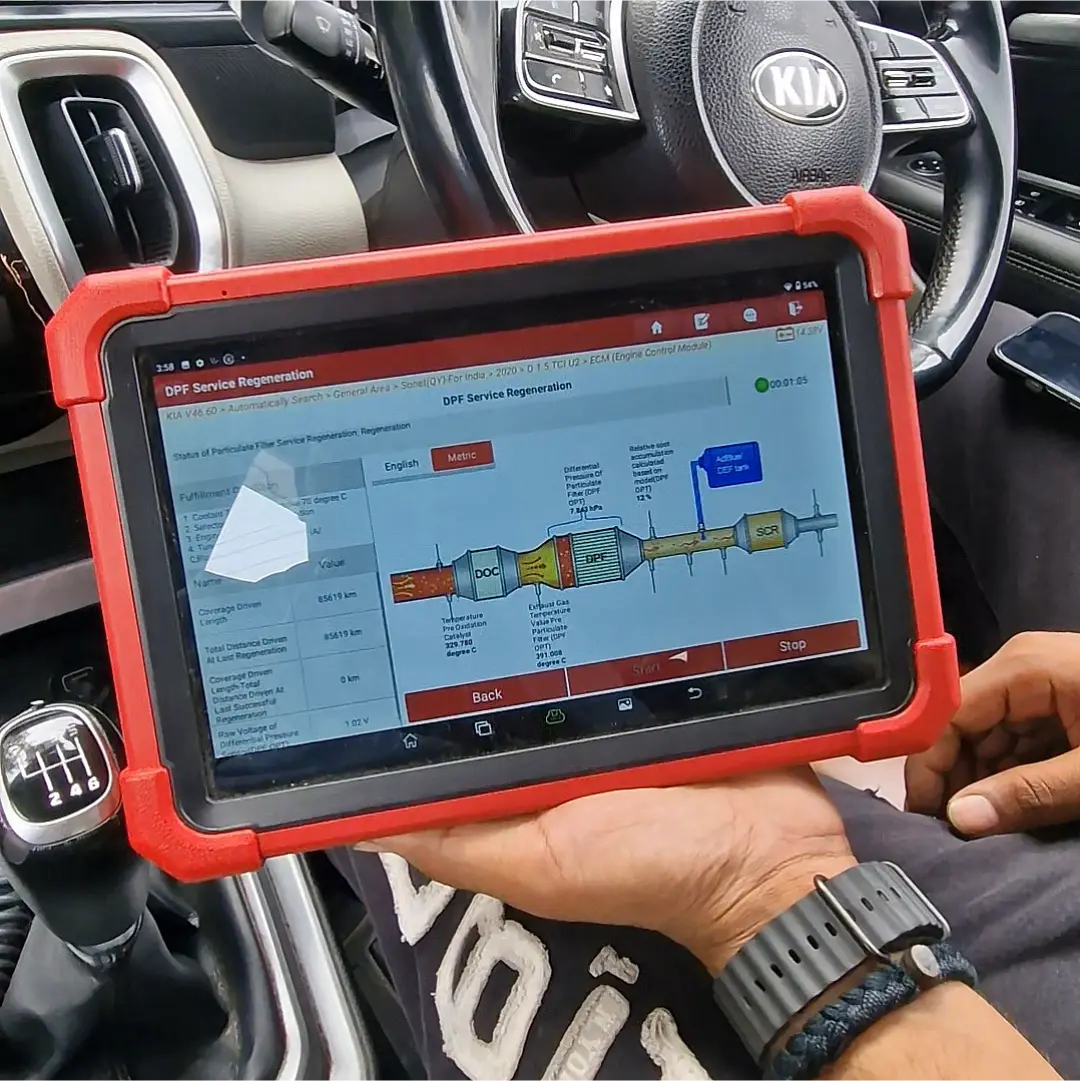
The service provider assesses the vehicle and DPF condition using relevant diagnostic information and, where applicable, initial backpressure or flow readings.
Removal
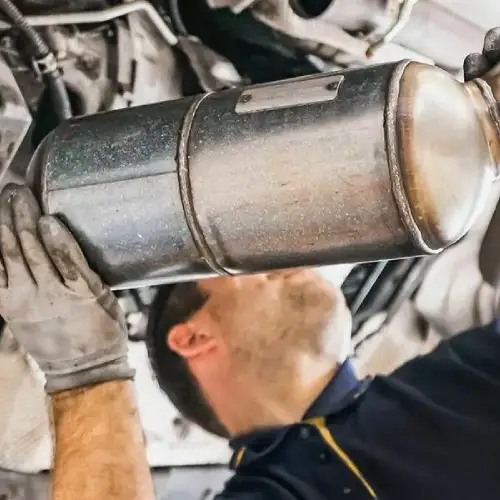
The DPF is carefully removed from the vehicle following appropriate procedures, with attention to connected sensors, fittings, and components.
Cleaning Cycle
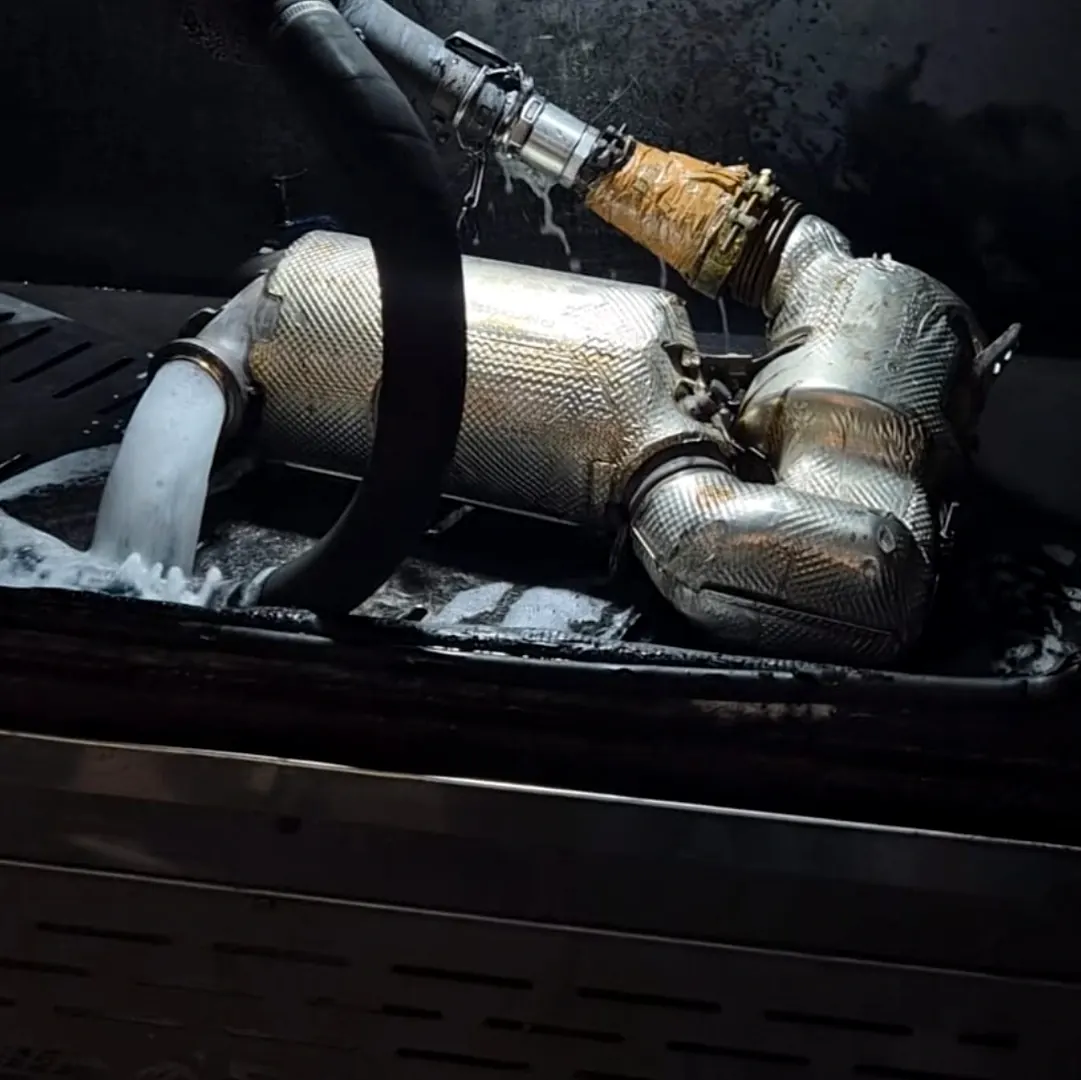
The filter undergoes a suitable professional cleaning process designed to address accumulated contamination according to its condition and the equipment being used.
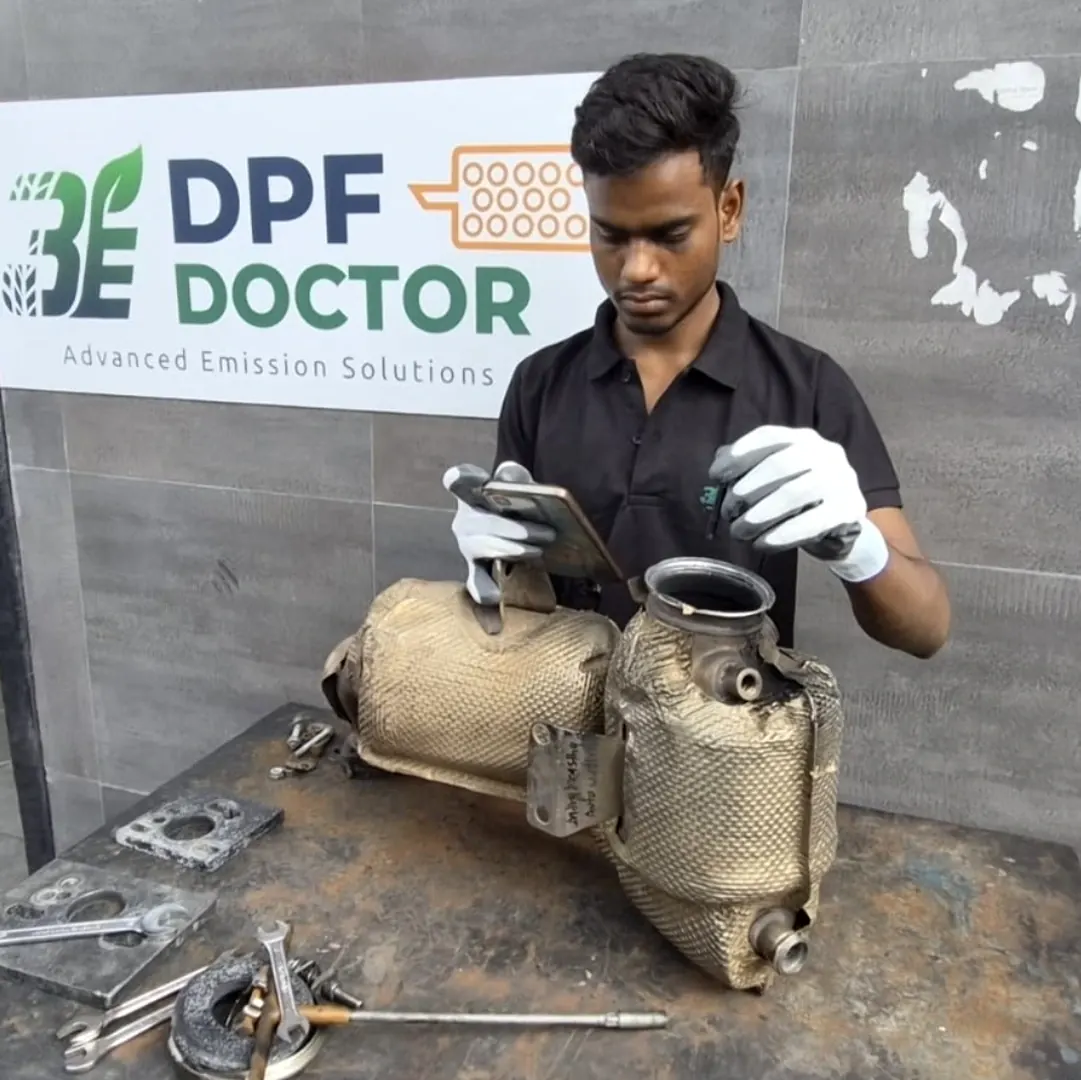
Drying & Testing
After cleaning, the filter is properly dried and may be tested to assess its condition and flow performance.
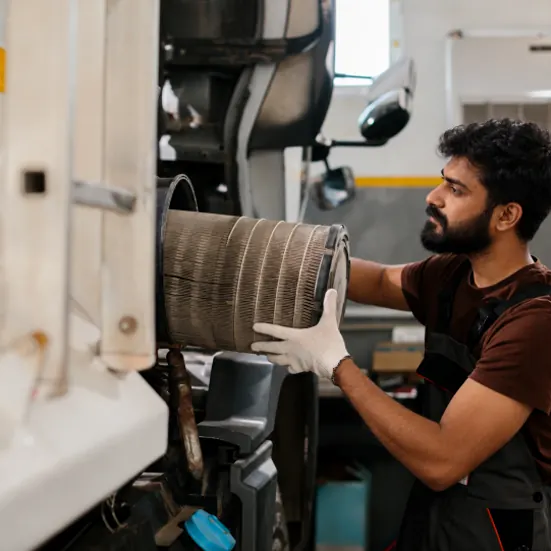
Refit & Report
Once considered suitable for reuse, the DPF is refitted and the service provider may provide relevant inspection, testing, or before-and-after service details.
Aqua Cleaning vs. Quick-Fix Shortcuts
Every workshop offers one of these four. Only one is legal, complete and repeatable.
| What the buyer should check | 3E DPF Doctor professional process | Direct jet-water washing | Open compressed-air blowing |
|---|---|---|---|
| DPF condition checked first? | Inspect the filter and assess whether it is suitable for cleaning. | Often skipped in a quick wash. | Often skipped in a quick blow-out. |
| What the method mainly does | Uses a controlled cleaning workflow suited to the component and contamination. | Flushes material with tap water. High NaCl | Dislodges loose deposits with air. |
| Soot addressed? | Assessed and cleaned where the filter is serviceable. | May remove some soot. | May dislodge loose soot. |
| Accumulated ash removed? | The process should include an appropriate removal stage and post-cleaning check when ash is the concern. | A hose alone does not prove this. | Properly engineered reverse-flow pneumatic cleaning can remove ash; open air blowing is not the same process. |
| Control over the process | Use documented settings and handling appropriate to the machine and DPF type. | Direct jet pressure, direction and drying may not be controlled. | Pressure, dust capture and direction may not be controlled. |
| Potential concern if used carelessly | NO | An aggressive jet or inadequate drying may damage a vulnerable filter. Also deposition of NaCL | Uncontained dust exposure or incomplete cleaning. |
| Result verified? | Record applicable before-and-after inspection and flow or pressure measurements. | No Proof for result | No proof for result and validation |
| Best description | Measured DPF cleaning for serviceable filters. | A quick wash is not automatically a complete DPF service. | An open blow-out is not the same as professional pneumatic ash cleaning. |
| What the buyer should check | Heat-only “burning” | HHO carbon cleaning | Chemical spray or soak only |
|---|---|---|---|
| DPF condition checked first? | Must be checked before heating. | Typically treats the engine on-vehicle, not the removed filter. | May be applied before the filter’s condition is established. |
| What the method mainly does | Oxidizes combustible soot at very high temp 700-1000 Celcius | Targets engine carbon deposits; it is not a physical DPF ash-extraction process. | Loosens deposits according to the chemical and application. |
| Soot addressed? | Can oxidise soot under a controlled thermal cycle or may damaged the filter | May influence soot indirectly through engine or regeneration treatment; not equivalent to off-vehicle DPF cleaning. | May loosen soot, depending on formulation. |
| Accumulated ash removed? | No—not by heating alone. | No physical ash extraction. | A spray or soak alone does not establish that trapped ash has been extracted. |
| Control over the process | Heating and cooling may not be controlled | Does not directly control cleaning inside each DPF channel. | Chemical compatibility, concentration, contact time, rinsing and drying matter. |
| Potential concern if used carelessly | Thermal stress or ash remaining after soot is burned. May crack the ceramic | Mistaking an on-engine carbon service for DPF ash cleaning. Will clogged the DPF | Residual chemical or unresolved restriction if there is no complete removal and rinse process. May block the dpf |
| Result verified? | No proof for result and validation | No proof for result and validation. | No proof for result and validation |
| Best description | Thermal treatment is a stage, not necessarily a finished clean. | An engine-carbon service is not a substitute for DPF ash removal. | Chemistry may assist cleaning; spraying alone is not proof of a clean filter. |
DPF Cleaning Cost In India
Published, not hidden behind an enquiry form. The exact figure depends on the vehicle and how far the filter has gone.
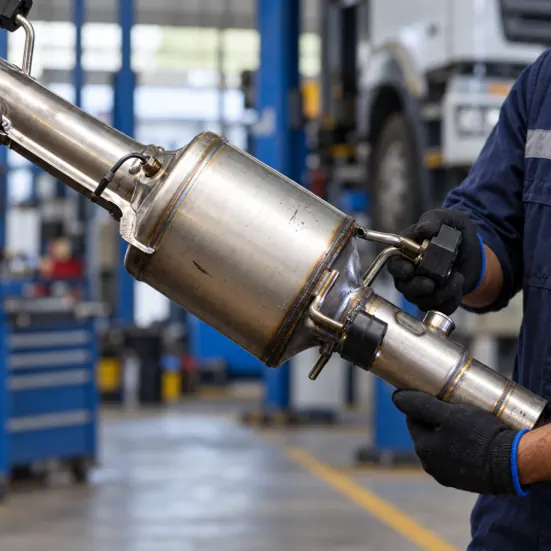
SCR Cleaning Charges ₹7000/-
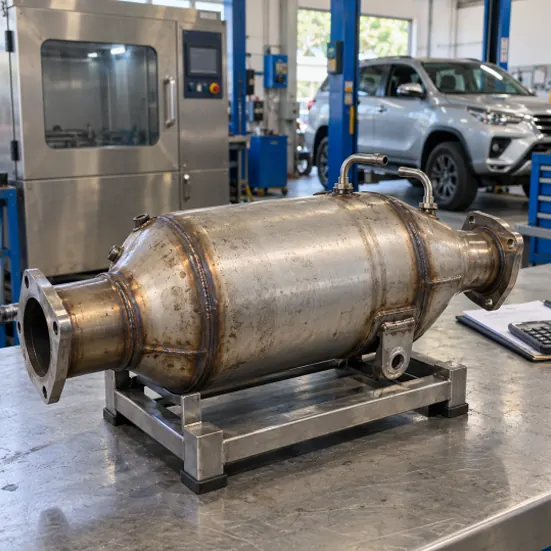
DPF Cleaning Charges LCV ₹3000/-
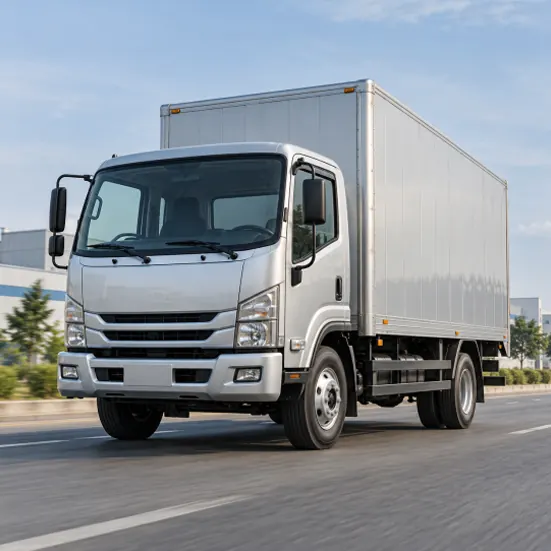
MCV Cleaning Charges ₹4000/-

HCV Cleaning Charges ₹5000/-
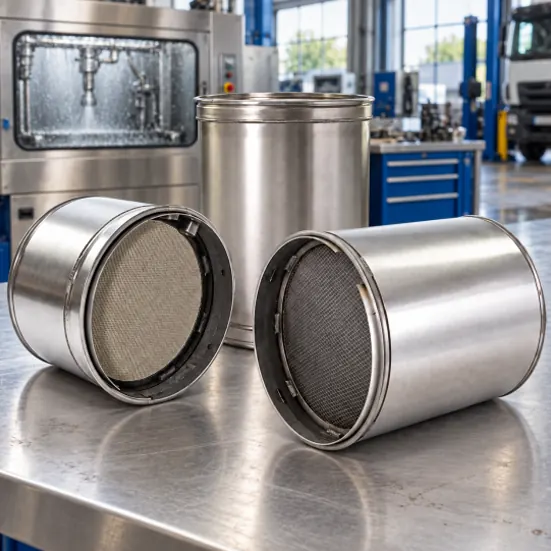
DOC Cleaning Charges ₹3000/-
It is important to find the appropriate Car & SUV DPF Cleaning Service in India when the diesel vehicle presents symptoms of a limited or overloaded DPF. The SUV and cars may have dissimilar filter design and cleaning needs and thus the service provider must examine the filter and make a decision on whether to clean the filter or not. An adequate cleaning procedure can be used to clean the accumulated soot and ash and avert premature replacement in cases where the filter is still structurally viable.
Vehicle owners need to take into account:
- Experience with passenger cars and SUVs
- Before cleaning, proper inspection of DPF.
- Suitable methodology and equipment of cleaning.
- Capability to deal with various DPF designs.
- Before-and-after cleaning assessment
- Determinate pricing and turnaround.
- Correct storage of broken or unserviceable filters.
3E DPF DOCTOR assists users in finding and contacting the appropriate vendors or service providers who can provide the needed cleaning service. The cleaning is actually done by the assigned vendor, and customers must do their homework in checking the provider, cleaning process, pricing, projected outcomes, warranty, and terms of service prior to doing so.
Common Signs Your Car or SUV Needs DPF Cleaning
When the conditions that an effective regeneration cannot be obtained are not always met, a DPF may become gradually contaminated with particulate matter as the vehicle is driven. The more material is accumulated in the vehicle, the more it can start to indicate that its emission system needs to be checked. Early identification of these signs can assist the owners in setting up a proper evaluation rather than driving without knowing the reason.
A few symptoms that are commonly observed may include the presence of a DPF-related dashboard warning, such as the DPF light on the car staying on, regeneration occurring repeatedly, engine responsiveness changing, fuel usage changing, or the vehicle going into a restricted operating mode. Nevertheless, these symptoms may also relate to other engine or emission-system problems, and thus, they must be evaluated as opposed to simply pointing to the filter.
When the owners are in need of car DPF cleaning, the first thing they should do is to find out the reason why the automobile is exhibiting the symptom. The vendor can use diagnostic information and an inspection to confirm or deny that accumulated deposits are, in fact, impacting the filter and to confirm or deny that external cleaning is a viable alternative.
The same concerns apply to SUV owners, but the design of the vehicle, engine size, driving conditions, and DPF design might vary. Thus, the SUV DPF cleaning should be approached on the basis of the state of the specific vehicle, instead of a one-size-fits-all approach. This can be applied to other vehicles with a Tata Nexon diesel DPF and in this case, the symptoms and diagnostic details of the vehicle will be considered individually before making a clean-up decision.
Signs Worth Paying Attention To
- Dashboard warning about DPF.
- Repeated or unsuccessful regeneration.
- Perceptible decrease in engine performance.
- Changes in normal fuel consumption
- Limited or constrained vehicle performance.
- Repeated emission-system warnings
- Post-regenerative symptoms.
These indicators are not sufficient to prove that the filter has to be cleaned by hand. An appropriate diagnostic check can assist in determining whether the DPF is the real cause of the issue or if some other element needs to be corrected.
DPF Warning Light: What Does It Mean?
The DPF warning light is used to show that the vehicle is having a problem with its particulate filter or its emission system, though the cause of this may differ depending on the vehicle. The DPF warning light meaning varies according to the vehicle and its condition of operation. The warning can be based on the accrued soot levels or regeneration status; in other cases, sensor measurements or some other condition of the emission system might have to be explored.
In case the warning is temporary and the vehicle has gone through a proper regeneration cycle, the warning can fade away. Nevertheless, when it persists, recurs, or is accompanied by impaired performance, such as limp mode, it might be worth evaluating further.
This is especially applicable to owners who are planning to use DPF cleaning for cars, since the warning light does not necessarily imply that external cleaning is the right action to take. The first step will be to identify the root cause of the issue, and then the chosen vendor can decide what to do next.
Cleaning Process of Car & SUV DPF
The cleaning process starts with an evaluation of the vehicle and DPF to determine their state and decide what to do. The process typically involves the following steps, depending on the vehicle, design of the filters, and equipment of the vendor:
Step 1: Initial Vehicle Assessment
To find out the issue with the DPF, the vendor examines the symptoms and warning lights of the vehicle, the diagnostics, and the applicable conditions of operation.
Step 2: DPF Removal
The DPF is also removed cautiously from the vehicle where necessary to ensure that it can be inspected and cleaned with a proper procedure.
Step 3: Filter Inspection
The filter is inspected to see whether it has deposits, and the general state of the filter is checked before the cleaning process commences.
Step 4: Pre-Cleaning Testing
Where necessary, measurements (airflow or backpressure) can be verified to determine the state of the filter prior to cleaning.
Step 5: DPF Cleaning
The chosen cleaning technique is applied to the soot, ash, carbon, and other deposits that are built up within the filter. The precise procedure can be determined by the filter type and equipment available.
Step 6: Drying
The DPF is then dried after cleaning and then inspected or tested further.
Step 7: Post-Cleaning Testing
To evaluate the condition of the filter after cleaning, the filter could be retested, and if possible, the results could be compared to the initial readings.
Step 8: Reinstallation
When the filter is prepared, it is refitted to the vehicle, and appropriate system tests are done.
The specific order and machinery might depend on the vehicle and the vendor, but all the steps should serve to verify that the filter has been checked before and after the cleaning process.
Which DPF Cleaning Method Is Right for Your Vehicle?
No cleaning technique exists that fits all vehicles or filters. The necessary strategy may be determined by the DPF design, contamination level and type, the state of the filters, the needs of the vehicle, and the equipment offered by the chosen vendor.
Before proceeding, the vendor may consider:
- Car model, manufacturer, and engine.
- Condition of DPF and deposits.
- Diagnostic results and measurements.
- Cleaning equipment and procedure on hand.
- The ability of the filter to be washed safely.
The procedure to be selected should hence be dependent on the real situation of the filter and not merely on the fact that the procedure is less expensive or faster. This is especially applicable to the case of Fortuner DPF cleaning whereby the proper process is to be used based on the type of vehicle and the condition of the filter.
Car & SUV DPF Cleaning: Cleaning vs Replacement
There are two alternative methods that can be applied when a DPF is in need of cleaning, and it can be replaced on the basis of the situation of the filter. Cleaning may be the right thing to do in situations where the deposits have accumulated, and the filter is still fit to be restored.
A vendor can assess factors such as:
- Overall filter condition
- Degree and kind of pollution.
- Available diagnostic readings
- Age of filter.
- Appropriateness of the cleaning process.
The DPF cleaning vs replacement choice must thus be grounded in the true state of the part and not necessarily the option taken based on the cost.
When Does a DPF Need Replacement Instead of Cleaning?
It might be inappropriate to clean in cases when the filter is severely physically damaged or its condition does not allow it to be restored. A correct check would assist in deciding whether the component is cleanable or should be replaced.
A vendor may look for:
- Physical damage or cracks.
- Melting or extreme structural damage.
- An ailment that does not allow proper cleaning.
- Additional observations were made during the inspection.
In case of a replacement recommendation, a customer must seek clarification on the reason why the vendor wants them to replace it, and ensure that he or she is convinced of the component and the overall cost of the replacement. The same rule can be applied in the evaluation of the requirements for cars in which BMW DPF cleaning might be taken into consideration, as the condition of the vehicle and the state of the filter must decide the course of action.
How DPF Cleaning Can Help Restore Vehicle Performance
In the case where the DPF is being limited by excessive deposits, proper cleaning can be used to recover the airflow in the filter and limit the restriction that was found during testing. This can aid the functioning of the emission system in the vehicle in a more normal manner when the performance issue is the DPF itself.
This outcome may be dependent on the state of the filter, underlying vehicle defect, and the presence of other emission-system failures. A sudden drop in diesel car mileage might have a variety of possible reasons, and cleaning, therefore, must be considered as a maintenance procedure to be performed on an evaluated filter, as opposed to an assurance of a cure-all to all of the performance issues.
How Much Does Car & SUV DPF Cleaning Cost?
The price might fluctuate since each vehicle and filter might need a specific degree of inspection, cleaning, testing, and handling. Some of the factors that could affect the car DPF cleaning cost include:
- Type of vehicle and DPF.
- Level of accumulated deposits
- Cleaning technique and equipment.
- Testing requirements
- Removal and refitting
- Location and vendor fees.
Get a detailed quotation of the services before accepting the service, and ensure you understand what is included. This facilitates easier comparison of prices without missing any other charges.
Important Disclaimer: 3E DPF Doctor is not a direct service provider of DPF cleaning or any other automobile service. It assists users in finding and networking with pertinent vendors/service providers who might provide the service needed. The real cleaning will be done by the particular vendor. 3E DPF Doctor is not liable in regard to the workmanship, quality of services, prices, availability, turnaround time, outcome, warranty, damage, loss, or any other issues related to the services of the vendor. The customers must personally confirm the details of the vendor and service, its prices, terms, and the appropriateness before making a purchase.
Car & SUV DPF Problems We Can Diagnose
The symptoms that are DPF-related may be caused by various factors; hence, determining which issue is underlying is a crucial element of the evaluation. A vendor can scan the warning signs on the vehicle, diagnostic readings, regeneration behaviour, and other pertinent readings of the system before making a decision on whether to clean the vehicle or not.
Common concerns may include:
- Blockage or overloading of the DPF.
- Repeated regeneration
- DPF warning messages
- Reduced engine performance
- Excessive backpressure
Model-specific emission-system concerns
When it comes to passenger car DPF cleaning, the condition of the vehicle must be taken into account, instead of using the assumption that all warning signs need to be treated in the same manner. Likewise, model-related searches like XUV700 DPF issue, Scorpio DPF problem, Creta diesel DPF problem, or Bolero DPF problem, might have different underlying circumstances, and hence proper assessment is required.
How Long Does Car & SUV DPF Cleaning Take?
The time taken may differ with the vehicle, the size of the DPF, the level of contamination, the cleaning process, the testing conditions, and the removal and refitting. Thus, there is no common turnaround time that is applicable to all vehicles.
Before booking, customers should confirm with the vendor:
- Expected service time
- Inclusion of DPF removal.
- Pretest and posttest time.
- Other potential work that can influence turnaround.
Once the vendor knows the vehicle and the condition of its DPF, it will be able to give a more precise time frame.
What to Check Before Choosing a Service Provider
It is important to select a proper service provider since the cleaning process must rely on the reality of the vehicle and the filter itself. Customers ought to seek a vendor who can clearly state the assessment, cleaning procedure, testing procedure, anticipated turnaround, and all-inclusive billing prior to the commencement of the work.
Consider checking:
- Experience with your type of vehicle.
- Washing and checking equipment.
- Well-defined service and price.
- Pre- and post-cleaning inspections.
- Expected turnaround time
This service is not offered by 3E DPF Doctor. It assists the users in identifying and contacting the concerned vendors, and the actual cleaning is conducted by the concerned service provider. All the details of the services should be verified by the customers independently with the chosen vendor.
Connect with 3E DPF DOCTOR to discover relevant DPF cleaning vendors and service providers for your vehicle.
Where We Are — Where You Can Grow
We operate across India, with opportunities to establish your DPF cleaning business in new markets and serve local fleets.
We Clean Filters For
Our clients are the people who keep India’s diesel vehicles moving: garage owners, fleet managers, dealership service heads and franchise partners who want DPF problems fixed properly, not simply deleted.




















DPF Basics, Answered
The cost may be different depending upon the vehicle, filter, level of contamination, cleaning process, testing, removal and refixing, location, and vendor. Always verify the entire quotation and then go ahead.
The cleaning can be regarded in case the filter is structurally sound, and the primary concern is the deposits. When the filter cannot be restored, replacement can be an option. A decision must be made after appropriate evaluation.
Certain cleaning methods can be done without the filter being removed, and others can be done by removing the filter to examine it and clean it externally. The suitable procedure varies depending on the vehicle, filter, and the equipment of the vendor.
Under the right operating conditions, regeneration is able to remove accumulated soot, but the ash is non-combustible and may be trapped within the filter. External cleaning can thus be taken into consideration where necessary.
Not necessarily. The physical state of the filter, its contamination, design, and general appropriateness must be evaluated prior to making a decision on whether or not to clean.
The typical indicators may be a DPF warning, poor performance, frequent regeneration, more frequent excessive exhaust-system messages, or limited vehicle operation. This should be followed up by proper diagnostic evaluation to ascertain the cause.
Each vehicle has no specific cleaning time. The demand is based on the driving conditions, regeneration behaviour, the mileage, the engine condition, and the quantity of the material deposited in the filter.
Yes. Every kilometer driven with a restricted DPF/SCR/DOC means extra fuel burned to overcome backpressure plus more frequent active/forced regenerations—all of which are avoidable operating-cost leakage if the system is scientifically restored. Deep cleaning is usually a one-time intervention that quickly pays back through recovered mileage and lower fuel bills.
Studies and field data show fuel consumption increases of around 10–15% during regeneration cycles and sustained operation with high soot load, with severe restrictions effectively causing real-world mileage penalties in the 15–20% range for many duty cycles. For fleets and heavy users, this translates into substantial recurring fuel spend that often exceeds the cost of a professional deep clean over time.
Blockage increases exhaust backpressure so the engine must work harder to push exhaust out, which reduces efficiency and increases fuel consumption for the same work. This typically shows up as noticeable mileage drop, sluggish performance and a higher frequency of regeneration events.