

DPF Cleaning
DPF Cleaning is a maintenance procedure that eliminates the deposits of soot, ash, and other substances that have been deposited on a Diesel Particulate Filter to ensure that the unit can continue serving the exhaust emission system of the vehicle. A DPF is a continuous device that traps the amount of particulate matter that is formed during diesel combustion, and in the long-run, the amount of material that is inside the device may accumulate.
As soon as the collected material starts interfering with the exhaust flow or the vehicle displays the signs of DPF problems, an appropriate inspection might assist in learning whether it should be cleaned. Knowing the cleaning process, its contents, considerations to be expected, and locating an appropriate service provider can help vehicle owners make a better choice.
Machine Installations Across India
Service Centres
Team Members
Professional Support
When Your DPF Needs Attention
Recognizing the early signs of DPF restriction can help you seek professional assessment before the issue becomes more serious.

DPF Warning Light
A warning light may indicate excessive soot loading or that normal regeneration is no longer clearing the filter effectively.
Power Loss or Limp Mode
Restricted exhaust flow can affect engine performance and may cause the vehicle to enter a reduced-power mode.

Sudden Drop in Fuel Economy
Repeated regeneration attempts and increased exhaust restriction can contribute to higher fuel consumption.

Emission or Diagnostic Issues
A restricted or malfunctioning DPF can contribute to emissions-related faults and may require professional inspection.
A Controlled, Measured Process
DFP cleaning professionals have the appropriate equipment and processes to perform, and each step is tailored to the status and needs of the filter.
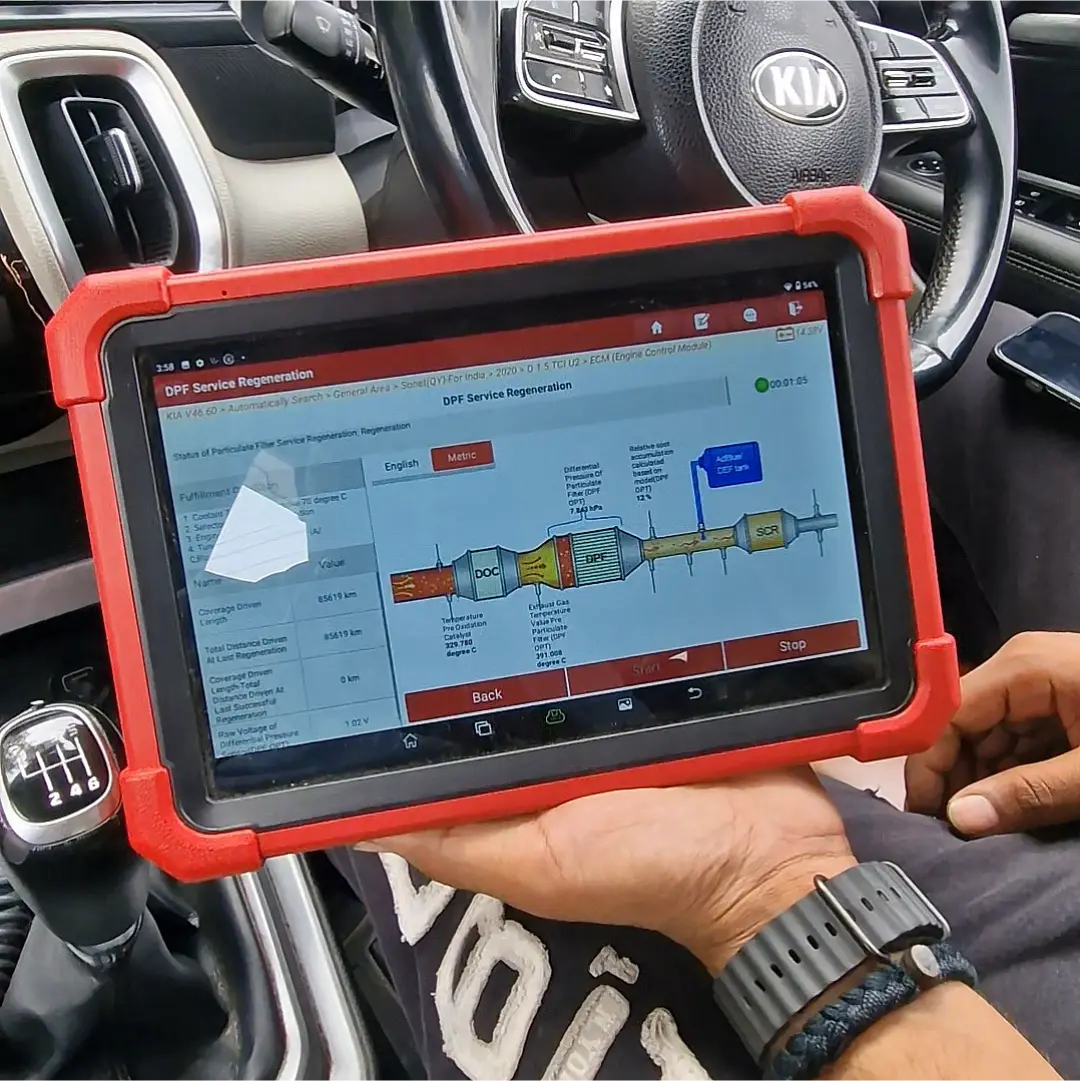
Diagnosis
The service provider assesses the vehicle and DPF condition using relevant diagnostic information and, where applicable, initial backpressure or flow readings.
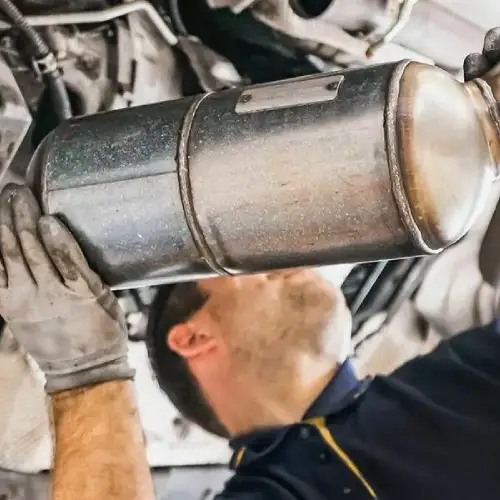
Removal
The DPF is carefully removed from the vehicle following appropriate procedures, with attention to connected sensors, fittings, and components.
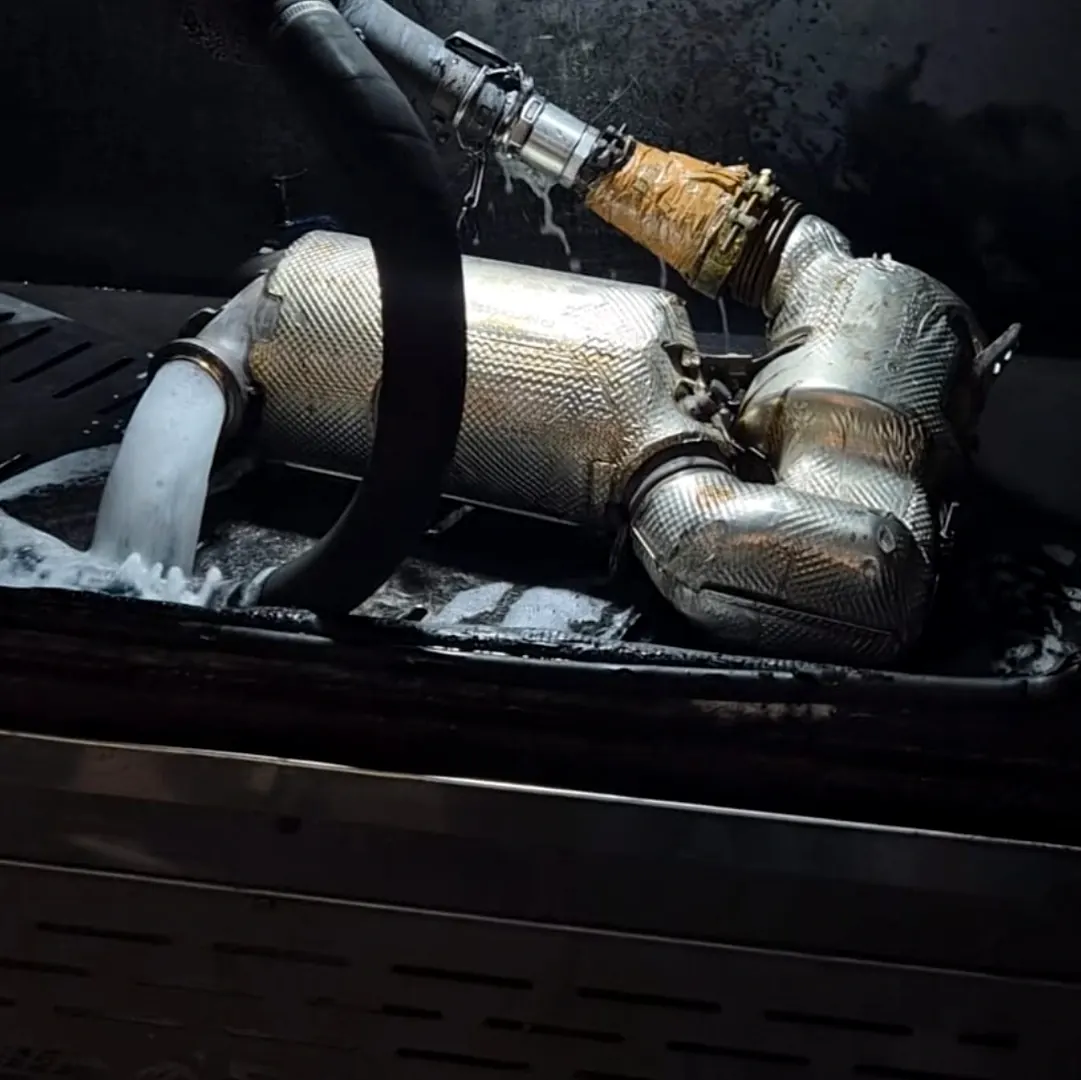
Cleaning Cycle
The filter undergoes a suitable professional cleaning process designed to address accumulated contamination according to its condition and the equipment being used.
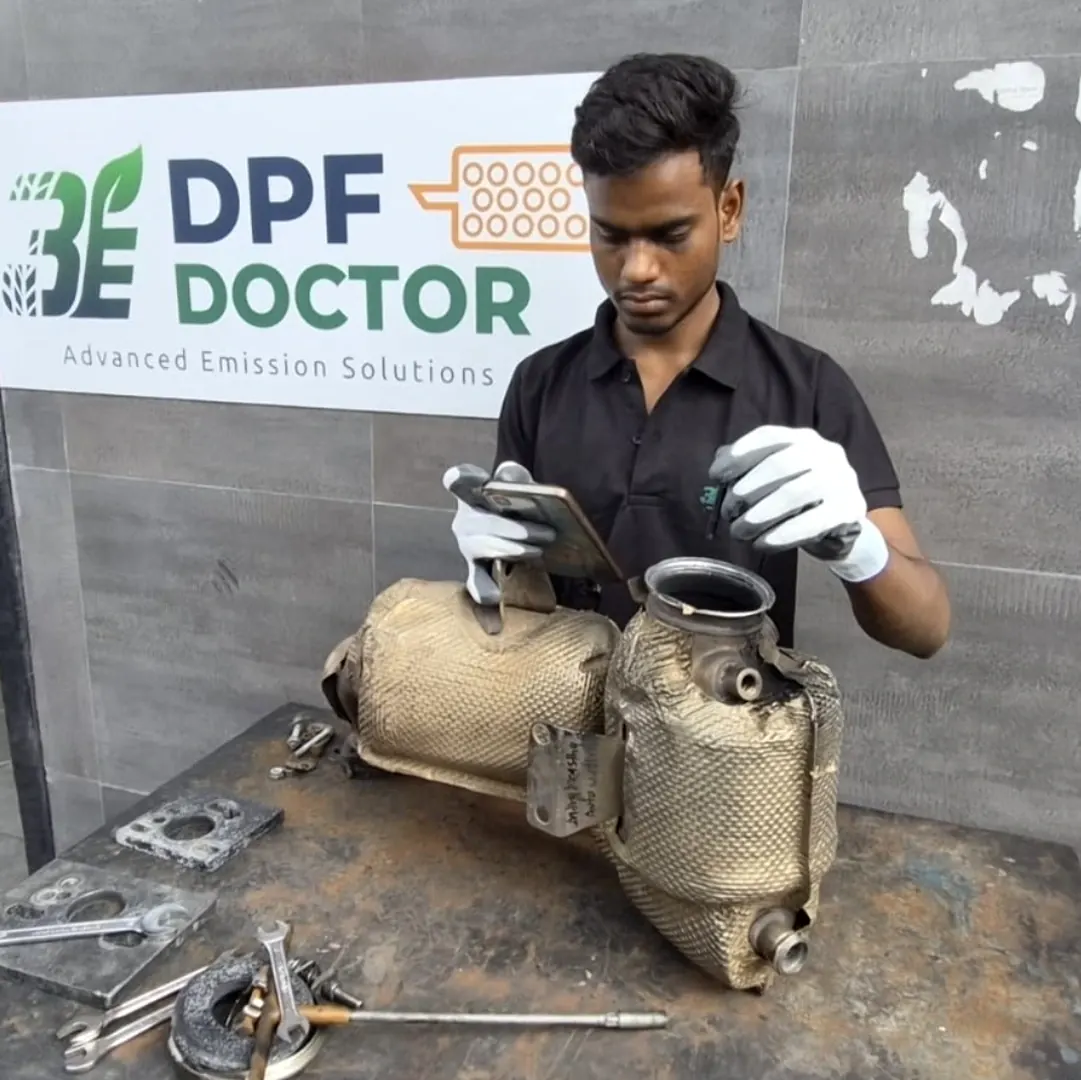
Drying & Testing
After cleaning, the filter is properly dried and may be tested to assess its condition and flow performance.
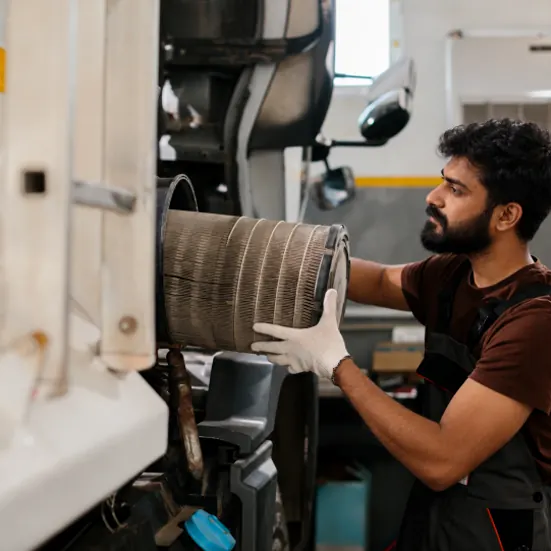
Refit & Report
Once considered suitable for reuse, the DPF is refitted and the service provider may provide relevant inspection, testing, or before-and-after service details.
Aqua Cleaning vs. Quick-Fix Shortcuts
Every workshop offers one of these four. Only one is legal, complete and repeatable.
| What the buyer should check | 3E DPF Doctor professional process | Direct jet-water washing | Open compressed-air blowing |
|---|---|---|---|
| DPF condition checked first? | Inspect the filter and assess whether it is suitable for cleaning. | Often skipped in a quick wash. | Often skipped in a quick blow-out. |
| What the method mainly does | Uses a controlled cleaning workflow suited to the component and contamination. | Flushes material with tap water. High NaCl | Dislodges loose deposits with air. |
| Soot addressed? | Assessed and cleaned where the filter is serviceable. | May remove some soot. | May dislodge loose soot. |
| Accumulated ash removed? | The process should include an appropriate removal stage and post-cleaning check when ash is the concern. | A hose alone does not prove this. | Properly engineered reverse-flow pneumatic cleaning can remove ash; open air blowing is not the same process. |
| Control over the process | Use documented settings and handling appropriate to the machine and DPF type. | Direct jet pressure, direction and drying may not be controlled. | Pressure, dust capture and direction may not be controlled. |
| Potential concern if used carelessly | NO | An aggressive jet or inadequate drying may damage a vulnerable filter. Also deposition of NaCL | Uncontained dust exposure or incomplete cleaning. |
| Result verified? | Record applicable before-and-after inspection and flow or pressure measurements. | No Proof for result | No proof for result and validation |
| Best description | Measured DPF cleaning for serviceable filters. | A quick wash is not automatically a complete DPF service. | An open blow-out is not the same as professional pneumatic ash cleaning. |
| What the buyer should check | Heat-only “burning” | HHO carbon cleaning | Chemical spray or soak only |
|---|---|---|---|
| DPF condition checked first? | Must be checked before heating. | Typically treats the engine on-vehicle, not the removed filter. | May be applied before the filter’s condition is established. |
| What the method mainly does | Oxidizes combustible soot at very high temp 700-1000 Celcius | Targets engine carbon deposits; it is not a physical DPF ash-extraction process. | Loosens deposits according to the chemical and application. |
| Soot addressed? | Can oxidise soot under a controlled thermal cycle or may damaged the filter | May influence soot indirectly through engine or regeneration treatment; not equivalent to off-vehicle DPF cleaning. | May loosen soot, depending on formulation. |
| Accumulated ash removed? | No—not by heating alone. | No physical ash extraction. | A spray or soak alone does not establish that trapped ash has been extracted. |
| Control over the process | Heating and cooling may not be controlled | Does not directly control cleaning inside each DPF channel. | Chemical compatibility, concentration, contact time, rinsing and drying matter. |
| Potential concern if used carelessly | Thermal stress or ash remaining after soot is burned. May crack the ceramic | Mistaking an on-engine carbon service for DPF ash cleaning. Will clogged the DPF | Residual chemical or unresolved restriction if there is no complete removal and rinse process. May block the dpf |
| Result verified? | No proof for result and validation | No proof for result and validation. | No proof for result and validation |
| Best description | Thermal treatment is a stage, not necessarily a finished clean. | An engine-carbon service is not a substitute for DPF ash removal. | Chemistry may assist cleaning; spraying alone is not proof of a clean filter. |
DPF Cleaning Cost In India
Published, not hidden behind an enquiry form. The exact figure depends on the vehicle and how far the filter has gone.
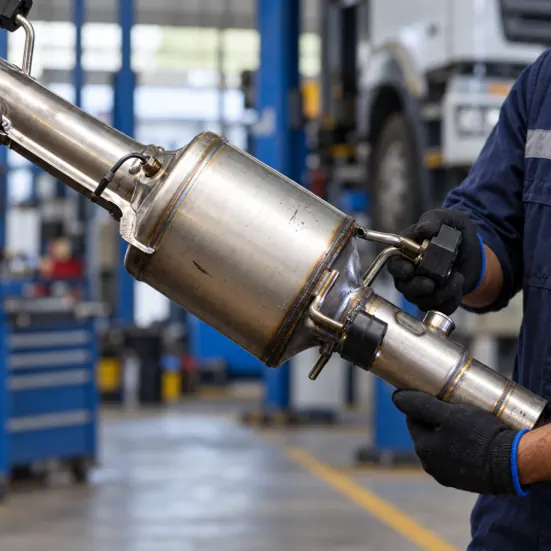
SCR Cleaning Charges ₹7000/-
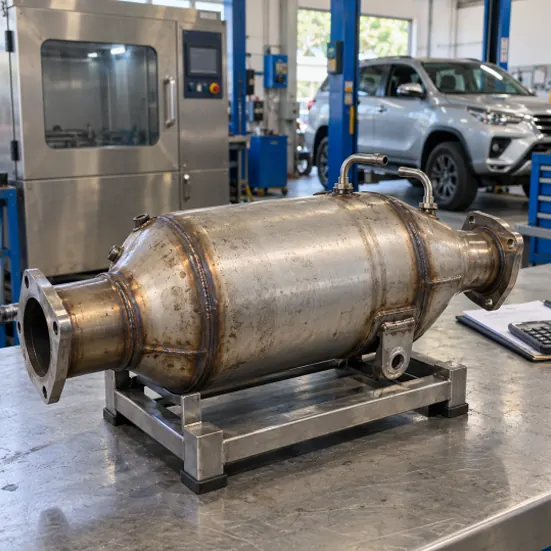
DPF Cleaning Charges LCV ₹3000/-
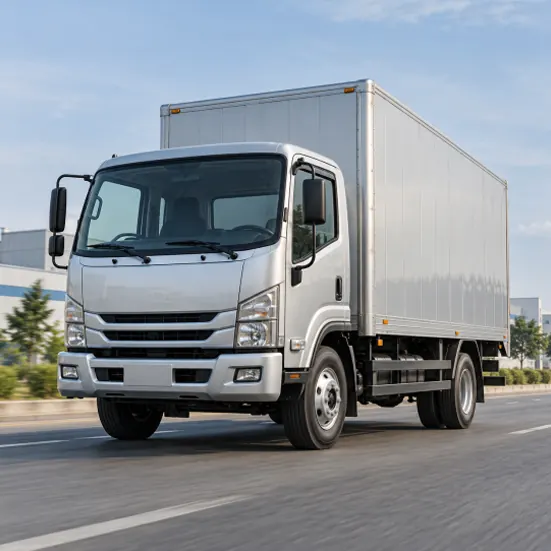
MCV Cleaning Charges ₹4000/-

HCV Cleaning Charges ₹5000/-
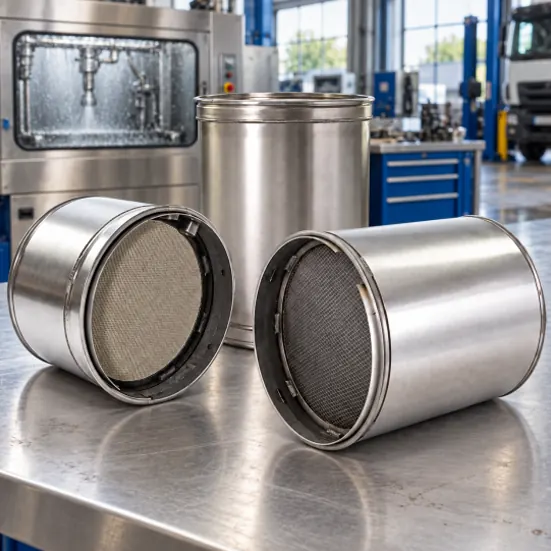
DOC Cleaning Charges ₹3000/-
Reliable DPF Cleaning Service in India
The search of a reputable DPF Cleaning Service in India begin with the selection of a service provider, which comprehends the state, construction, and cleaning needs of diesel particulate filters. Instead of treating all DPFs in the same manner, a suitable vendor must adhere to an appropriate cleaning process, with proper equipment and evaluate the filter before and after cleaning.
- Knowledge on various types of vehicle and DPF.
- Appropriate cleaning equipment and methods
- Pre-cleaning filter inspection
- Adequate drying and post cleaning inspection.
- Transparent service pricing
- Clear turnaround expectations
- Applicable warranty or service conditions.
Why Does a DPF Need Cleaning?
A Diesel Particulate Filter is a device that is meant to trap soot and particulate matter from diesel exhaust gases. When the vehicle is used normally, regeneration may help to eliminate some of the deposits of soot, but other deposits may be left in the filter and eventually influence its state.
That is why cleaning DPF may be a significant maintenance factor in a situation when inspection reveals the presence of accumulated material on the filter. The correct cleaning approach will be determined by the vehicle, the design of filters, contamination, and the process followed by the vendor of choice.
What Happens During Professional DPF Cleaning?
When a filter is deemed fit to be cleaned, the process usually involves inspection, removal, cleaning, drying, testing, and reinstallation. There is a purpose behind each stage, since cleaning is not just a matter of getting visible deposits off the component.
Through professional DPF cleaning, the vendor is able to apply appropriate equipment and processes depending on the filter and vehicle usage. Pre-testing and post-testing can also aid the service provider in knowing the state of the filter and evaluating the result of cleaning.
Understanding the DPF Cleaning Process
A typical cleaning process of a DPF filter is performed in a series of related steps, but the specific process can depend on the vehicle, filter design, equipment, and vendor.
1. Initial Vehicle Assessment
The first step is to get to know why the vehicle needs some attention. The vendor can inspect the DPF-related error messages, diagnostic data, vehicle symptoms, and past regeneration activity to know the state of the emission system.
2. DPF Removal
In case the exterior cleaning is deemed suitable, the filter is taken out of the car very cautiously. Removal should be done properly since the component should be removed as per the requirements of the vehicle and the filter manufacturer.
3. Physical Inspection
Once removed, it is possible to visually check the filter for the deposits accumulated, the external state, and other apparent problems. This step assists the vendor in knowing whether the component is applicable to the intended cleaning process.
4. Pre-Cleaning Testing
The filter can be tested prior to cleaning, where appropriate equipment is at hand. The reference point can be obtained by measurements of airflow or backpressure, which can be later compared with the results obtained after the cleaning process.
5. Cleaning Stage
A chosen cleaning device and process are then employed to cleanse the filter of the build-up of soot, ash, and other deposits. The specific procedure is a factor of the filter and equipment that is provided by the vendor.
6. Drying
The component is cleaned and then dried in a proper manner, after which it is inspected further. This makes sure that the filter is properly handled and returned to the vehicle.
7. Post-Cleaning Inspection and Testing
The filter is again checked after the cleaning, and relevant measurements are taken to check its condition. A comparison of the pre- and post-cleaning readings available can help in having a better insight into the cleaning process.
8. Reinstallation
After the cleaning has been done by the vendor and he feels that the filter is ready to be used, the filter can be installed back in the car. The appropriate systems of the vehicle can then be inspected as to whether the part has been properly installed.
The reason behind these linked processes is to make sure that the filter is evaluated, processed, cleaned, experimented, and made ready in a systematic fashion instead of being perceived as an element that merely requires washing.
What Is Removed From a DPF During Cleaning?
Various deposits may be gathered during normal operation, with soot and ash being among the most significant. Soot can be linked to the fine particles that are formed in the process of combustion, and ash is non-combustible and can be left in the filter over time.
This is why DPF ash cleaning is aimed at dealing with accumulated ash with the help of the proper external cleaning process. On the same note, DPF carbon cleaning is normally used in reference to carbon and deposits of soot. The real process ought to be chosen based on the material in place and the state of the filter.
How Is a DPF Checked Before and After Cleaning?
An effective cleaning procedure must take into consideration the state of the filter prior to and after cleaning. Pre-cleaning measurements provide a reference point, whereas post-cleaning testing may assist in demonstrating whether or not the condition of the filter is measurable or not.
This is the reason that a DPF cleaning before and after comparisons may be handy when backed up with real-life testing. Comparison can be based on airflow, backpressure, visual inspection, or other appropriate measurements depending on the equipment of the vendor.
How to Choose the Right DPF Cleaning Service Provider?
The selection of the appropriate service provider is not about the location or the price. A responsible vendor must have worked on the corresponding category of vehicles, have the right cleaning tools, a clear procedure, and the capacity to clarify what inspection and testing entail.
In the case of a DPF cleaning service, other questions that customers should pose are whether the quoted service includes inspection, cleaning, drying, testing, and any removal or refitting services. It is not difficult to compare the vendors and choose one of them based on the needs of the vehicle when one knows these details in advance.
Car & SUV DPF Cleaning
Car & SUV DPF Cleaning applies to passenger vehicles and SUVs with diesel engines that need professional care for their diesel car particulate filters. The cleaning method can be chosen based on the particular vehicle and component due to the fact that various models can possess a different filter design and a different emission-control system.
An appropriate vendor can initially scan the symptoms and diagnostic data of the vehicle and then suggest a cleaning process. This is to make sure that the service is taken into account based on the actual vehicle's needs, as opposed to taking the same approach with each filter.
Truck DPF, SCR & DOC Cleaning
Truck DPF, SCR & DOC Cleaning applies to heavy-duty diesel vehicles that employ a series of exhaust after-treatment parts in regulating emissions. DPF, SCR, and DOC are meant to do various things, and therefore, their status can be evaluated based on the specific emissions system of the vehicle.
Based on the vehicle and results of the inspection, a vendor might evaluate the corresponding components and decide which of them need to be addressed. The cleaning method and the method of testing may then be chosen based on the vehicle, component, and equipment at hand.
How Much Does DPF Cleaning Cost?
The DPF cleaning cost can vary because different vehicles and filters will be handled differently. The final quotation can be affected by filter size, type of vehicle, contamination, cleaning procedure, testing needs, site, and price of the vendor.
This is why customers must insist on a transparent quote by the chosen vendor and clarify what they are getting prior to acceptance of the work. The total picture of the scope of the service simplifies the process of making comparisons of quotations.
Where Our Vendor Network Operates
3E DPF Doctor assists customers in locating and contacting pertinent vendors to DPF related services in service locations available. The platform is based on the concept of assisting users in finding the appropriate service providers based on their vehicle type, location, and needs, as opposed to having its own cleaning centres.
Vendors may be more or less common across cities and types of services, so customers can provide their location and car specifications to find a suitable one. When linked, the chosen vendor will be able to give information regarding the service, availability, cost, and other relevant information straight to the customer.
What Can Affect the Final Cleaning Price?
The DPF filter cleaning price can differ depending on the passenger cars, SUVs, trucks, and other diesel vehicles since their filters, equipment needs, handling, and testing methods may vary.
Likewise, the price of DPF filter cleaning offered by a vendor might not be directly comparable with that of another vendor when the services that are in each quote are varied. Customers are thus advised to ensure that they know whether there is inspection, cleaning, testing, removal, refitting, taxes, and any other charges involved.
DPF Cleaning Charges in India
Individuals who search DPF cleaning charges in India do so in a bid to know how much they are likely to spend on the service. Nevertheless, no universal fee is applicable to all vehicles since service needs and the price charged by the vendor may vary based on the geographical area and use.
The most feasible solution is to negotiate the vehicle specifications with the chosen supplier and ask him to provide a full quote. Customers will then know precisely what is involved and go ahead with the service.
Finding a Suitable DPF Cleaning Vendor Near You
Customers will typically be searching the DPF cleaning service near me when they are in need of a convenient provider of a service that may clean their specific vehicle and filter. But the process of picking a vendor should not be based on the proximity of the vendor.
Customers can make comparisons among the relevant vendors on the basis of experience, equipment, cleaning process, testing facilities, pricing transparency, and experience with the specific vehicle category. The 3E DPF Doctor will be able to assist users in finding and contacting pertinent vendors, and then the customer will be able to negotiate all the service-related terms and conditions with the chosen provider on their own.
Disclaimer: 3E DPF Doctor is not a direct provider of DPF cleaning or any other service of a vehicle. 3E DPF Doctor helps users find and connect with relevant vendors/service providers who offer these services. The actual service is provided by the respective vendor. The quality of service, workmanship, price, availability, turnaround time, performance, damage, loss, warranty, or any other area of the service is beyond the responsibility of 3E DPF Doctor. It is the user's responsibility to verify the vendor, service information, charges, terms, and appropriateness independently and then proceed.
What Should You Ask a Vendor Before Giving Your DPF?
Customers should be aware of what the service covers as well as how they will approach the component before handing over the filter to the vendor. Inquiries on how it cleans, how it is inspected, how it is tested, anticipated turnaround time, and overall charges may make the service easier to comprehend.
Whether it is included in the removal and refitting is also a good question to ask, as well as pre- and post-cleaning testing. These details are important to be established in advance, allowing customers to make an informed choice and know what the service will do.
Is Cleaning Always Better Than Replacement?
A good maintenance alternative that can be used in cleaning is when the DPF is at the right state, and the soot or ash accumulation is capable of being overcome using an appropriate cleaning procedure. The filter condition, the vehicle's needs, and the results of a proper inspection should be used to make the right decision, and not just selecting an option based on the price.
An appropriate vendor can examine the filter and advise on the correct approach depending on the condition of the filter and the kind of deposits that it has. This contributes to ensuring that the cleaning process is chosen based on the actual needs of the vehicle and its emission system.
Why Proper Diagnosis Matters
Diagnosis is significant since even DPF-related alarming or performance problems do not necessarily have the same cause. The vendor must be aware of the condition of the filter, the amount and type of deposits, and the behaviour of the emission system of the vehicle in question so that the proper cleaning process may be taken into account.
An appropriate evaluation can also aid in determining whether the DPF is either limited in airflow or over-accumulating, and whether other environmental circumstances might be influencing its operation. The vendor can choose an appropriate cleaning process according to the real need rather than using the same cleaning method on all the vehicles by screening the vehicle and filter prior to cleaning.
Is your vehicle showing signs of a blocked or restricted DPF? Find a suitable DPF Cleaning service provider for your vehicle and get the filter assessed before considering replacement.
Connect with 3E DPF DOCTOR today to discover relevant DPF cleaning vendors and service providers in your area.
Where We Are — Where You Can Grow
We operate across India, with opportunities to establish your DPF cleaning business in new markets and serve local fleets.
We Clean Filters For
Our clients are the people who keep India’s diesel vehicles moving: garage owners, fleet managers, dealership service heads and franchise partners who want DPF problems fixed properly, not simply deleted.
















DPF Basics, Answered
A DPF is a ceramic filter with thousands of small channels that trap soot and ash from diesel exhaust to meet modern emission standards in cars, trucks, buses and off-highway equipment. It has been standard on new diesel vehicles for years under Euro VI/BS6 and similar regulations globally.
BS6 systems typically include DPF, SCR (Selective Catalytic Reduction), DOC (Diesel Oxidation Catalyst) and EGR (Exhaust Gas Recirculation), working together to reduce particulates, NOx and other pollutants before exhaust leaves the tailpipe. 3E DPF Doctor’s ecosystem is specifically designed to restore all four components in one standardized process.
Stricter emission regulations (Euro VI/BS6, ADR 79/80, EPA standards, etc.) require particulate and NOx control, so OEMs fit DPFs and ATS hardware on nearly all modern diesel vehicles to comply and protect public health.
Regeneration is the process by which accumulated soot in the DPF is burned off, usually by raising exhaust temperature so the soot oxidizes inside the filter media. This happens automatically under suitable driving conditions but is supported by the engine control unit using fuel injection strategies and catalytic coatings.
Passive regeneration occurs during normal driving when exhaust temperatures are consistently high enough to burn soot as it forms. Active regeneration is ECU-controlled; extra fuel is injected to raise exhaust temperature when soot load crosses a threshold, while forced regeneration is initiated via diagnostic tools when the system needs help to clear soot.
Short, low-speed trips, long idling and cold engine operation prevent exhaust temperatures from reaching the level required for effective regeneration, causing soot to accumulate instead of burn off. Over time this leads to blocked filters, warning lights and limp-mode events.
Common causes include high soot output from engine faults (injectors, EGR, turbo, oil consumption), repeated short-trip driving, long idling, incorrect engine oil and failed sensors or pressure sensors that prevent proper regeneration. Over time, ash from fuel and oil additives also builds up and must be physically removed by cleaning.
Yes. Neglected air filters, faulty injectors, stuck EGR valves, worn turbochargers and delayed servicing increase soot and oil carry-over, loading the DPF faster and triggering more active regenerations. Regular maintenance with correct low-SAPS oils and good diagnostics significantly extends DPF and ATS life.
Vehicles used mainly on short trips at low speed never reach the conditions needed for passive regeneration, so soot accumulates until warnings appear and manual cleaning or forced regeneration is required. This pattern is common in city cars, delivery vehicles and buses operating in dense traffic.
Early signs include reduced mileage, sluggish acceleration, higher idle speed, emission warning lights, DPF icons on the dashboard and sometimes a hot diesel smell or increased exhaust smoke. Ignoring these symptoms allows soot and ash to progress from partial to severe blockage.