

Truck DPF, SCR & DOC Cleaning in Kerala
Making the emission components of trucks work in harsh conditions, they may be covered by soot, ash, hydrocarbons, and other deposits over time. A professional Truck DPF, SCR, and DOC Cleaning Service in India is dedicated to the effective evaluation of these elements and the application of the correct cleaning process to eliminate the built-up contamination without applying the same process to all trucks.
The service may include:
- Cleaning of the DPF to remove the accumulated ash and soot in the diesel particulate filter.
- SCR cleaning in response to deposits and contamination of the selective catalytic reduction component.
- DOC cleaning to clean out the deposits on the diesel oxidation catalyst.
- Inspection of pre-cleaning to determine the condition of every element.
- Proper cleaning depends on the type of component and level of contamination.
- Checking the drying and post-cleaning of the component before it is reused.
Machine Installations Across India
Service Centres
Team Members
Professional Support
When Your DPF Needs Attention
Recognizing the early signs of DPF restriction can help you seek professional assessment before the issue becomes more serious.

DPF Warning Light
A warning light may indicate excessive soot loading or that normal regeneration is no longer clearing the filter effectively.
Power Loss or Limp Mode
Restricted exhaust flow can affect engine performance and may cause the vehicle to enter a reduced-power mode.

Sudden Drop in Fuel Economy
Repeated regeneration attempts and increased exhaust restriction can contribute to higher fuel consumption.

Emission or Diagnostic Issues
A restricted or malfunctioning DPF can contribute to emissions-related faults and may require professional inspection.
A Controlled, Measured Process
DFP cleaning professionals have the appropriate equipment and processes to perform, and each step is tailored to the status and needs of the filter.
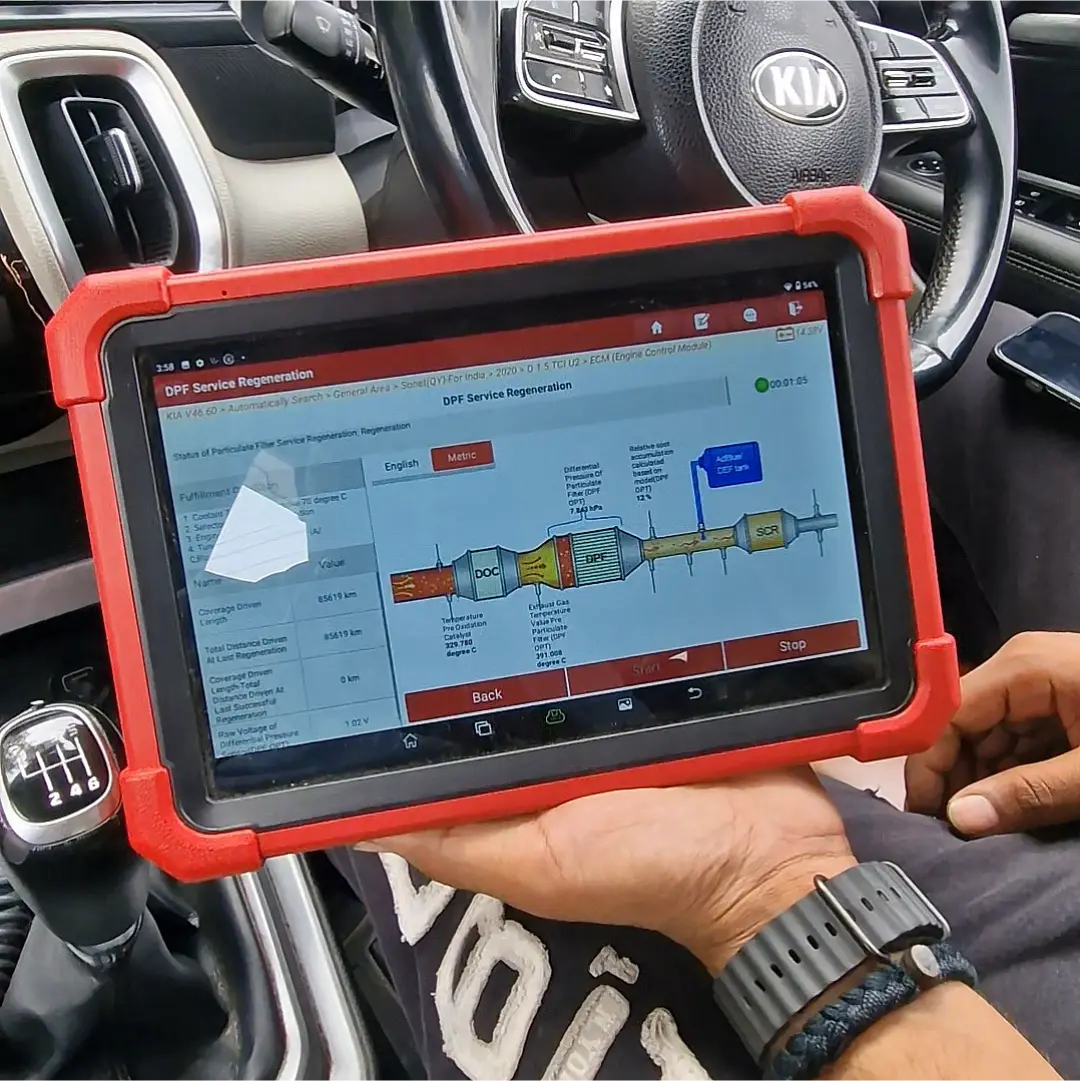
Diagnosis
The service provider assesses the vehicle and DPF condition using relevant diagnostic information and, where applicable, initial backpressure or flow readings.
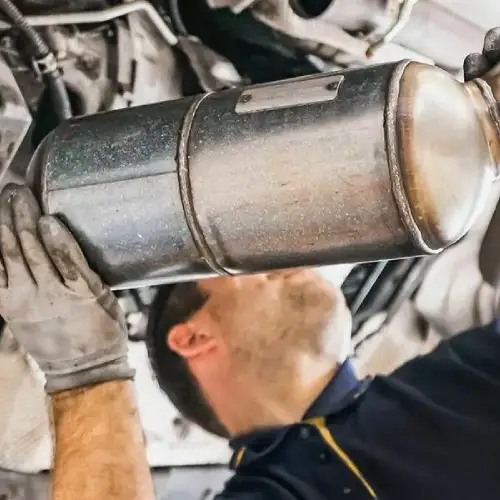
Removal
The DPF is carefully removed from the vehicle following appropriate procedures, with attention to connected sensors, fittings, and components.
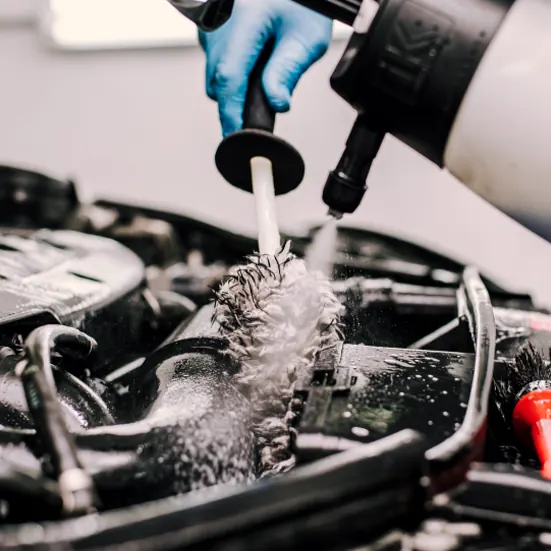
Cleaning Cycle
The filter undergoes a suitable professional cleaning process designed to address accumulated contamination according to its condition and the equipment being used.
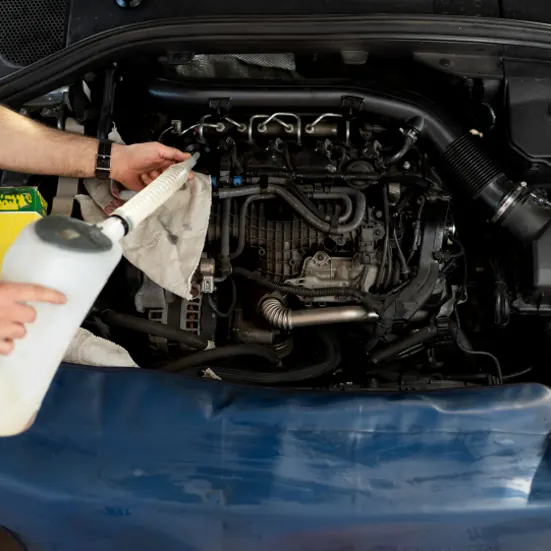
Drying & Testing
After cleaning, the filter is properly dried and may be tested to assess its condition and flow performance.
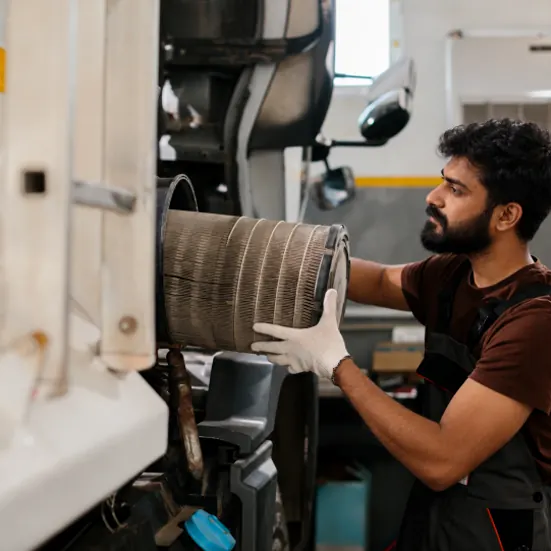
Refit & Report
Once considered suitable for reuse, the DPF is refitted and the service provider may provide relevant inspection, testing, or before-and-after service details.
Cleaning Vs The Shortcuts
Every workshop offers one of these four. Only one is legal, complete and repeatable.
| What the buyer should check | 3E DPF Doctor professional process | Direct jet-water washing | Open compressed-air blowing |
|---|---|---|---|
| DPF condition checked first? | Inspect the filter and assess whether it is suitable for cleaning. | Often skipped in a quick wash. | Often skipped in a quick blow-out. |
| What the method mainly does | Uses a controlled cleaning workflow suited to the component and contamination. | Flushes material with tap water. High NaCl | Dislodges loose deposits with air. |
| Soot addressed? | Assessed and cleaned where the filter is serviceable. | May remove some soot. | May dislodge loose soot. |
| Accumulated ash removed? | The process should include an appropriate removal stage and post-cleaning check when ash is the concern. | A hose alone does not prove this. | Properly engineered reverse-flow pneumatic cleaning can remove ash; open air blowing is not the same process. |
| Control over the process | Use documented settings and handling appropriate to the machine and DPF type. | Direct jet pressure, direction and drying may not be controlled. | Pressure, dust capture and direction may not be controlled. |
| Potential concern if used carelessly | NO | An aggressive jet or inadequate drying may damage a vulnerable filter. Also deposition of NaCL | Uncontained dust exposure or incomplete cleaning. |
| Result verified? | Record applicable before-and-after inspection and flow or pressure measurements. | No Proof for result | No proof for result and validation |
| Best description | Measured DPF cleaning for serviceable filters. | A quick wash is not automatically a complete DPF service. | An open blow-out is not the same as professional pneumatic ash cleaning. |
| Heat-only “burning” | HHO carbon cleaning | Chemical spray or soak only |
|---|---|---|
| Must be checked before heating. | Typically treats the engine on-vehicle, not the removed filter. | May be applied before the filter’s condition is established. |
| Oxidizes combustible soot at very high temp 700-1000 Celcius | Targets engine carbon deposits; it is not a physical DPF ash-extraction process. | Loosens deposits according to the chemical and application. |
| Can oxidise soot under a controlled thermal cycle or may damaged the filter | May influence soot indirectly through engine or regeneration treatment; not equivalent to off-vehicle DPF cleaning. | May loosen soot, depending on formulation. |
| No—not by heating alone. | No physical ash extraction. | A spray or soak alone does not establish that trapped ash has been extracted. |
| Heating and cooling may not be controlled | Does not directly control cleaning inside each DPF channel. | Chemical compatibility, concentration, contact time, rinsing and drying matter. |
| Thermal stress or ash remaining after soot is burned. May crack the ceramic | Mistaking an on-engine carbon service for DPF ash cleaning. Will clogged the DPF | Residual chemical or unresolved restriction if there is no complete removal and rinse process. May block the dpf |
| No proof for result and validation | No proof for result and validation. | No proof for result and validation |
| Thermal treatment is a stage, not necessarily a finished clean. | An engine-carbon service is not a substitute for DPF ash removal. | Chemistry may assist cleaning; spraying alone is not proof of a clean filter. |
DPF Cleaning Cost In Kerala
Published, not hidden behind an enquiry form. The exact figure depends on the vehicle and how far the filter has gone.
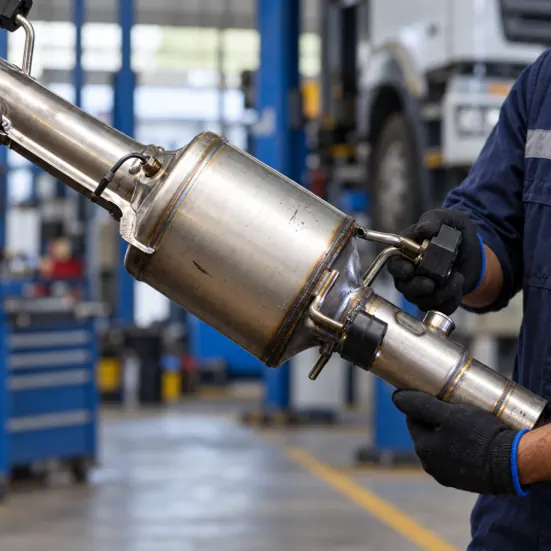
SCR Cleaning Charges ₹7000/-
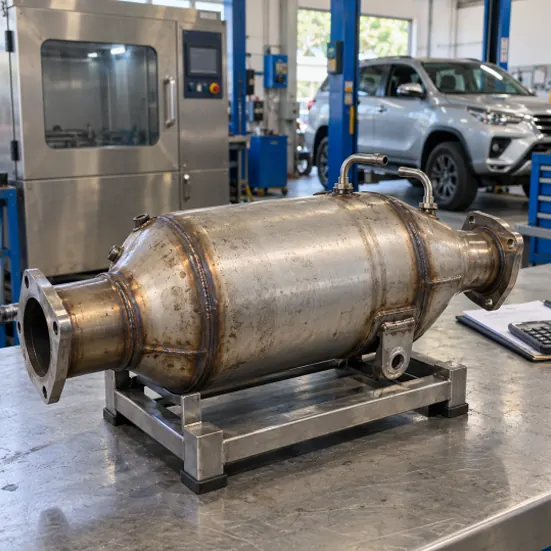
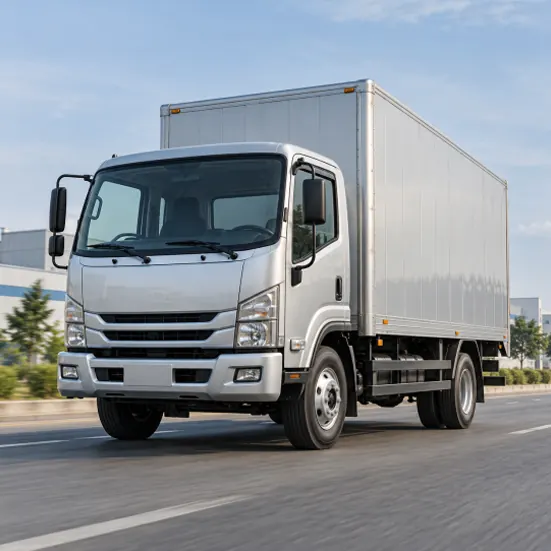
DPF Cleaning Charges LCV ₹3000/-
MCV Cleaning Charges ₹4000/-
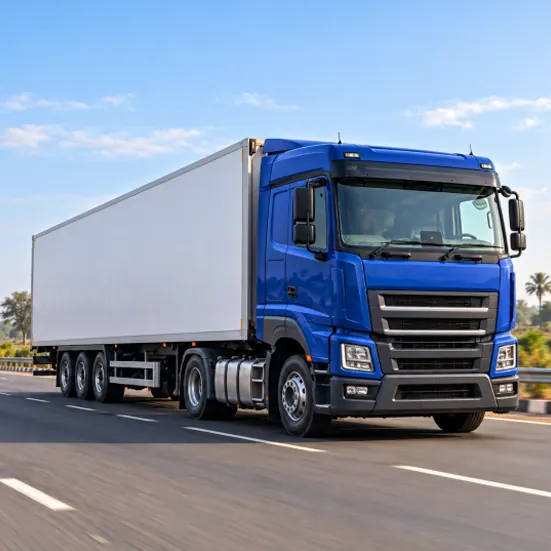
HCV Cleaning Charges ₹5000/-
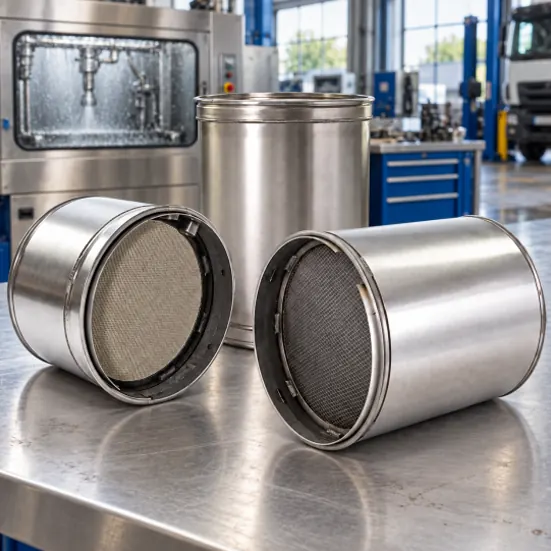
DOC Cleaning Charges ₹3000/-
Where We Are — Where You Can Grow
We operate across India, with opportunities to establish your DPF cleaning business in new markets and serve local fleets.
DPF Basics, Answered
Clean ATS hardware improves fuel economy, reduces breakdowns and limp-mode events, stabilizes maintenance schedules and extends component life, directly improving cost-per-kilometer and asset utilization. Structured cleaning programs with good diagnostics and reporting can materially improve fleet margins and uptime
Yes, in most cases where the filter substrate is intact; cleaning restores capacity at a fraction of replacement cost and with shorter downtime, while replacement involves high parts cost and extended workshop time. Replacement is reserved for severely damaged or melted filters that cannot be safely restored.
OEM and fleet recommendations vary, but many heavy-duty and commercial applications benefit from scheduled DPF cleaning every roughly 1,00,000–1,60,000 km depending on duty cycle and soot load. Vehicles operating in high-idle, stop-start, or urban conditions may require more frequent attention due to incomplete passive regenerations and faster ash accumulation.
3E DPF Doctor helps fleets find Truck DPF, SCR & DOC Cleaning Service Providers in Kerala. After-treatment cleaning services cater to leading commercial truck brands in India, covering both BS-IV and BS-VI emission standards. Specialized DPF, SCR, and DOC cleaning solutions for Tata Motors commercial vehicle applications such as the Prima, Signa, and Ultra ranges and diagnostic solutions to address the typical DPF blockages in BharatBenz commercial vehicles and AdBlue crystallisation problems.
In Kerala, this also covers Ashok Leyland models from the Boss, Captain, and Ecomet series and from other heavy-duty manufacturers such as Eicher, Mahindra, Volvo, etc. All components are pre-inspected to match the vehicle setup and emission requirements and are then cleaned, regardless of whether they are being serviced on a tipper, trailer, transit mixer, or LCV.
Truck DPF, SCR & DOC Cleaning
Conditions in {location} are tough on diesel trucks—heavy traffic, long distances, extended idling, dusty environments, and varying fuel quality. Over time these conditions cause soot, ash, oil residue, and hydrocarbon deposits to build up, along with crystallisation of AdBlue in the exhaust after-treatment system. A restricted DPF, a contaminated SCR catalyst, or a blocked DOC can reduce engine performance, increase fuel usage, trigger warning lights, and ultimately push a commercial vehicle into limp mode.
A good Truck DPF Cleaning Service in Kerala uses expertise and hands-on knowledge to clean and restore the performance of your diesel systems without immediately replacing components. Cleaning, inspection, diagnosis, and flow testing can be arranged for commercial vehicles, heavy trucks, tippers, trailers, and fleet vehicles throughout India including Kerala.
Our services include truck DPF cleaning, SCR cleaning of catalysts, AdBlue crystallisation removal, DOC cleaning, and complete after-treatment system diagnosis. Every part is checked prior to cleaning so the right process is used based on its condition.
Truck DPF Cleaning
A Diesel Particulate Filter (DPF) filters particulate matter and soot from diesel exhaust gases. As the filter operates, non-combustible soot and ash build up inside it. Accumulated soot can be burned off through regeneration, but the ash that remains cannot be removed that way.
Our DPF cleaning service physically removes contamination that has built up on the filter substrate. Depending on the condition and construction of the filter, we choose pressure or thermal cleaning, with the goal of restoring exhaust flow without damaging the ceramic honeycomb structure.
We offer commercial vehicle DPF cleaning for light commercial vehicles (LCVs) as well as heavy vehicle DPF cleaning for high-demand vehicles such as tippers, haulage trucks, mixers, and multi-axle vehicles.
Key DPF Cleaning Services
These are the key features of our cleaning services:
- Pre-cleaning DPF inspection
- Soot and ash removal
- Pressure-based filter cleaning
- Thermal cleaning as needed
- Internal substrate inspection
- Pre-cleaning flow measurement
- Post-cleaning flow measurement
- Documentation of cleaning and services completed
- Refitting of the DPF system and diagnosis where necessary
The before-and-after flow test shows whether the cleaning process has effectively improved the flow characteristics of the filter.
SCR Cleaning & AdBlue Crystallisation
Nitrogen Oxide (NOₓ) emissions are lowered by dosing AdBlue, or diesel exhaust fluid, into the exhaust gases of the Selective Catalytic Reduction (SCR) system. Under poor operating conditions, urea crystals can form around the dosing injector, mixing pipe, exhaust surfaces, and other components—this is urea crystallisation SCR build-up.
Our SCR cleaning service eliminates catalyst contamination and AdBlue crystallisation that can affect correct dosing of the exhaust fluid into the catalyst and, therefore, correct NOx reduction. Mechanical and chemical cleaning methods are used as appropriate for the component and deposit type, and the SCR catalyst brick and related parts are examined to identify the cause of repeat issues.
SCR Cleaning May Include
These are the steps our cleaning may include:
- SCR catalyst cleaning and inspection
- AdBlue crystallisation removal
- Dosing injector inspection
- Mixer pipe decrystallization
- Urea deposit removal
- NOx-related fault diagnosis
- Post-cleaning system checks
Cleaning the surface deposit isn't always enough—if crystallisation is repeated, the dosing system, exhaust temperature, injector operation, sensors, and related parts should also be checked.
DOC Cleaning for Diesel Trucks
Many diesel after-treatment systems have the Diesel Oxidation Catalyst (DOC) positioned upstream of the DPF. It aids the oxidation of hydrocarbons and carbon monoxide and plays a significant role in exhaust-system temperature control.
A contaminated DOC can reduce exhaust flow and affect the operation of downstream components, so our diesel oxidation catalyst cleaning service is generally recommended alongside a heavy-loaded DPF service.
Before choosing a cleaning procedure, the DOC substrate is inspected for contamination, oil deposits, soot, and other residues. Routine DOC cleaning alongside DPF cleaning helps balance airflow through the entire after-treatment system.
Our Truck DPF, SCR & DOC Cleaning Process
Proper cleaning should be followed by other professional procedures. A correct diagnosis helps identify the root cause of the restriction in the first place.
- Vehicle Diagnosis
The initial review covers the vehicle's symptoms, warning lights, fault codes, mileage, operating conditions, and service history. Diagnostic devices are used where needed to detect DPF, SCR, NOx sensor, temperature sensor, dosing, and regeneration issues.
- Component Inspection
The DPF, SCR and DOC are inspected according to the vehicle's after-treatment configuration, checking for excessive soot and ash loading, oil contamination, crystallization, physical damage, melting, or substrate deterioration.
- Pre-Cleaning Flow Test
Where applicable, the DPF or catalyst is flow tested before cleaning to provide a baseline for assessing the restriction and a benchmark for comparison after cleaning.
- Controlled Cleaning
The proper cleaning process — pressure cleaning, thermal treatment, mechanical deposit removal, or an appropriate cleaning agent — is chosen based on the contamination type and component, aiming to clear build-up without damaging the ceramic or catalyst substrate.
- Drying & Inspection
The component is cleaned, dried, and inspected for cracks, melting, physical damage, or any remaining contaminants.
- Post-Cleaning Flow Test
A second flow test is compared against the pre-cleaning condition to provide valid proof of the cleaning result.
- Refitting & System Diagnosis
Once the component is ready, it is refitted to the vehicle, with sensors, the dosing system, fault codes, and regeneration requirements checked where applicable.
- Final Testing
The vehicle is checked for any remaining after-treatment faults. If a recurring problem traces back to another part—a faulty sensor, injector, temperature issue, or engine condition—further diagnosis is carried out.
Tata & Bharat Benz DPF Cleaning
Our Tata truck DPF cleaning service covers all DPF-equipped Tata applications, including the Prima, Signa, and Ultra ranges.
We also offer Bharat Benz DPF cleaning for applicable commercial vehicle models—addressing common Bharat Benz DPF problem cases—and Ashok Leyland DPF cleaning for DPF-equipped models in the Boss, Captain, and Ecomet ranges.
Our services extend to Eicher, Mahindra, Volvo, and other commercial truck platforms that use DPF, SCR and DOC systems, depending on vehicle configuration. The after-treatment setup varies by model and emission standard, so the vehicle model and components should be checked before servicing.
Why Forced Regeneration Is Not Always Enough
When soot accumulates, Forced Regeneration DPF is a useful vehicle function for burning it off. But inorganic ash builds up in a DPF over its life and cannot be removed during regeneration.
When a filter shows high ash loading, running the forced regeneration cycle repeatedly may not resolve the root cause of the restriction, and differential pressure, performance issues, frequent regeneration requests, or warning codes can persist—a form of DPF forced regen damage risk if left unaddressed.
Physical DPF cleaning treats the contaminants that regeneration cannot remove. Regeneration and professional cleaning aren't in conflict—the right solution depends on the filter's condition, fault codes, ash loading, mileage, and the manufacturer's service requirements.
For filters with a damaged, cracked, or melted substrate, replacement rather than cleaning may be necessary. Our inspection process is designed to catch such conditions before the filter returns to service.
Fleet DPF Maintenance & DPF AMC
For transporters and logistics companies running several diesel trucks, a DPF-related failure can mean vehicle downtime, delayed deliveries, and extra workshop expense.
Our fleet DPF cleaning program can be tailored to vehicle mileage, operating conditions, route type, after-treatment history, and other factors. For companies that prefer planned after-treatment maintenance over a last-minute clean-up, we also offer a fleet DPF maintenance contract and DPF AMC options.
A fleet maintenance program can include the following:
- Scheduled DPF inspection
- Planned DPF cleaning
- SCR and DOC inspection
- Fault-code monitoring
- Cleaning documentation
- Before-and-after test records
- Vehicle-wise service history
- Priority turnaround arrangements
Volume-based fleet service offerings are also available. Preventive cleaning can help fleet operators avoid an after-treatment breakdown before restriction or contamination becomes a problem.
Truck DPF Cleaning Near Me
Whether you're searching for truck DPF cleaning near me as a fleet owner, a truck transporter, or an individual truck owner, our after-treatment cleaning service is built for you.
Filter pickup and drop-off can be arranged depending on location and service needs, and larger fleet operators may request dedicated pickup arrangements.
Please share the truck make, model, emission standard, and any DPF/SCR fault codes or symptoms before sending a filter for cleaning — this helps our service team understand the issue and recommend the correct inspection or cleaning procedure.
Service Overview
|
Service |
Component |
Main Contamination |
Cleaning Approach |
Inspection/Test |
Suitable Applications |
|
Truck DPF Cleaning |
Diesel Particulate Filter |
Soot and ash |
Pressure/thermal cleaning |
Flow testing and visual inspection |
Trucks, tippers, trailers |
|
Commercial Vehicle DPF Cleaning |
DPF |
Soot, ash and particulate deposits |
Controlled filter cleaning |
Pre/post flow comparison |
Commercial vehicles |
|
Heavy Vehicle DPF Cleaning |
Heavy-truck DPF |
High soot and ash loading |
Deep cleaning process |
Flow and substrate inspection |
Heavy-duty trucks |
|
SCR Cleaning |
SCR catalyst |
Ash and exhaust deposits |
Controlled catalyst cleaning |
Catalyst/system inspection |
BS-VI diesel vehicles |
|
AdBlue Crystallisation Removal |
Injector/mixer/exhaust areas |
Urea deposits |
Mechanical/chemical deposit removal |
Visual and system inspection |
SCR-equipped trucks |
|
DOC Cleaning |
Diesel Oxidation Catalyst |
Soot, oil and hydrocarbon deposits |
Controlled catalyst cleaning |
Substrate inspection |
Diesel commercial vehicles |
|
Fleet DPF Cleaning |
Fleet DPF systems |
Soot and ash |
Scheduled cleaning |
Vehicle/service records |
Transport fleets |
|
DPF AMC |
DPF/SCR/DOC system |
Recurring contamination |
Preventive maintenance |
Scheduled inspections |
Fleet operators |
What Makes Us the Best After-Treatment Cleaning for Trucks?
These are the key benefits you will get from us:
-
Professional Component-Based Cleaning
We treat the DPF, SCR and DOC as individual parts of one comprehensive after-treatment system, so we never clean one component when a different one is actually restricting flow.
-
Diagnostic Approach
Cleaning isn't always the answer. We weigh fault codes, operating symptoms, differential pressure, sensor data, crystallization, and component condition before deciding on the right service.
-
Non-Destructive Cleaning Focus
We keep our methods minimal, avoiding unnecessary cutting, opening or breaking of the original filter or catalyst structure.
-
Before & After Testing
Flow testing gives a measured comparison of the component's condition before and after cleaning, backed up by visual inspection.
-
Fleet-Friendly Service
Fleet operators benefit from scheduled cleaning, service records, volume-based cleaning agreements, and vehicle-utilization-based cleaning programs.
-
Reduced Replacement Dependence
When the DPF, SCR or DOC is contaminated but the substrate is structurally sound, professional cleaning is an inexpensive alternative to replacement. Replacement remains the right call when a component is physically damaged.
When Is It Time to Clean a Truck's DPF?
Repeated DPF regeneration, higher exhaust back pressure, slower acceleration, reduced fuel economy, an active DPF warning light, limp mode, or a growing number of fault codes are all signs a truck may need professional inspection or cleaning.
These symptoms can also stem from engine problems, faulty sensors, injector issues, turbocharger problems, exhaust leaks, or incorrect regeneration conditions—so cleaning should follow diagnosis, not replace it.
Service Coverage Across Kerala
We help you find truck DPF cleaning across Kerala for individual truck owners, workshops, transport companies, and fleet owners alike—from single-component cleaning to large fleet requirements.
Share the following when you inquire:
- Truck type and model
- Emission standard — BS-IV or BS-VI
- DPF/SCR/DOC component involved
- Fault codes, if available
- Current vehicle symptoms
- Vehicle location
- Number of vehicles needing service
This information helps us decide the right inspection approach, cleaning technique, turnaround time, and fleet service option for you.
Get Your DPF, SCR or DOC Checked
A blocked or fouled DPF, a contaminated SCR catalyst, or a fouled DOC shouldn't be ignored. Left unaddressed, they affect vehicle performance and can lead to further after-treatment errors.
If the truck's exhaust components are structurally sound, professional cleaning can restore exhaust-system flow—whether you run a single truck or a large commercial fleet.
Call us for DPF cleaning, SCR cleaning, AdBlue crystallisation removal, DOC cleaning, fleet DPF maintenance, and DPF AMC services. Share your truck details and fault symptoms, and we'll help you find the right way to clean and diagnose your vehicle.