

DPF Cleaning in Chandigarh
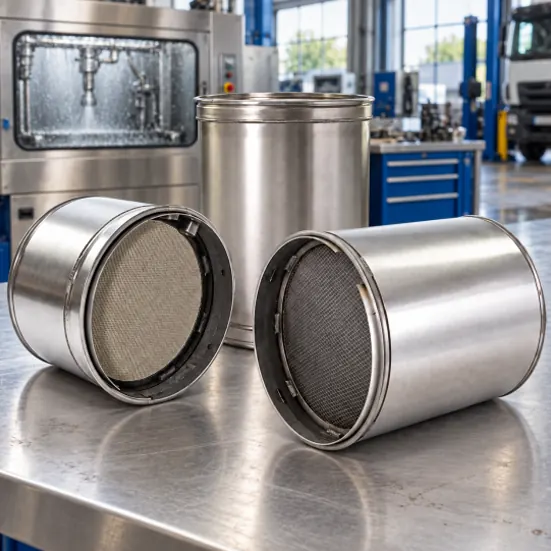
DPF Cleaning is a maintenance procedure that eliminates the deposits of soot, ash, and other substances that have been deposited on a Diesel Particulate Filter to ensure that the unit can continue serving the exhaust emission system of the vehicle. A DPF is a continuous device that traps the amount of particulate matter that is formed during diesel combustion, and in the long-run, the amount of material that is inside the device may accumulate.
As soon as the collected material starts interfering with the exhaust flow or the vehicle displays the signs of DPF problems, an appropriate inspection might assist in learning whether it should be cleaned. Knowing the cleaning process, its contents, considerations to be expected, and locating an appropriate service provider can help vehicle owners make a better choice.
Machine Installations Across India
Service Centres
Team Members
Professional Support
When Your DPF Needs Attention
Recognizing the early signs of DPF restriction can help you seek professional assessment before the issue becomes more serious.

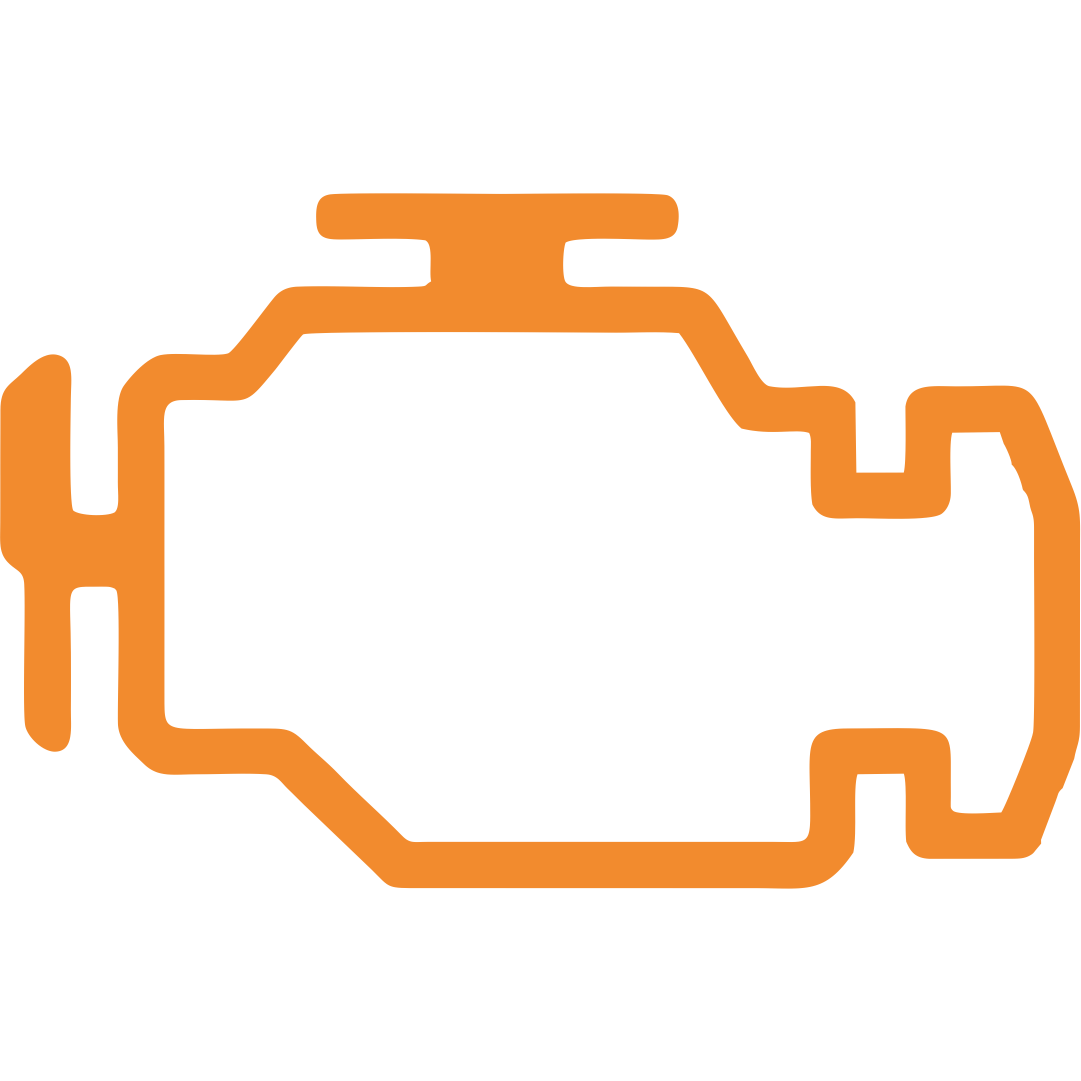
DPF Warning Light
A warning light may indicate excessive soot loading or that normal regeneration is no longer clearing the filter effectively.
Power Loss or Limp Mode
Restricted exhaust flow can affect engine performance and may cause the vehicle to enter a reduced-power mode.

Sudden Drop in Fuel Economy
Repeated regeneration attempts and increased exhaust restriction can contribute to higher fuel consumption.

Emission or Diagnostic Issues
A restricted or malfunctioning DPF can contribute to emissions-related faults and may require professional inspection.
A Controlled, Measured Process
DFP cleaning professionals have the appropriate equipment and processes to perform, and each step is tailored to the status and needs of the filter.
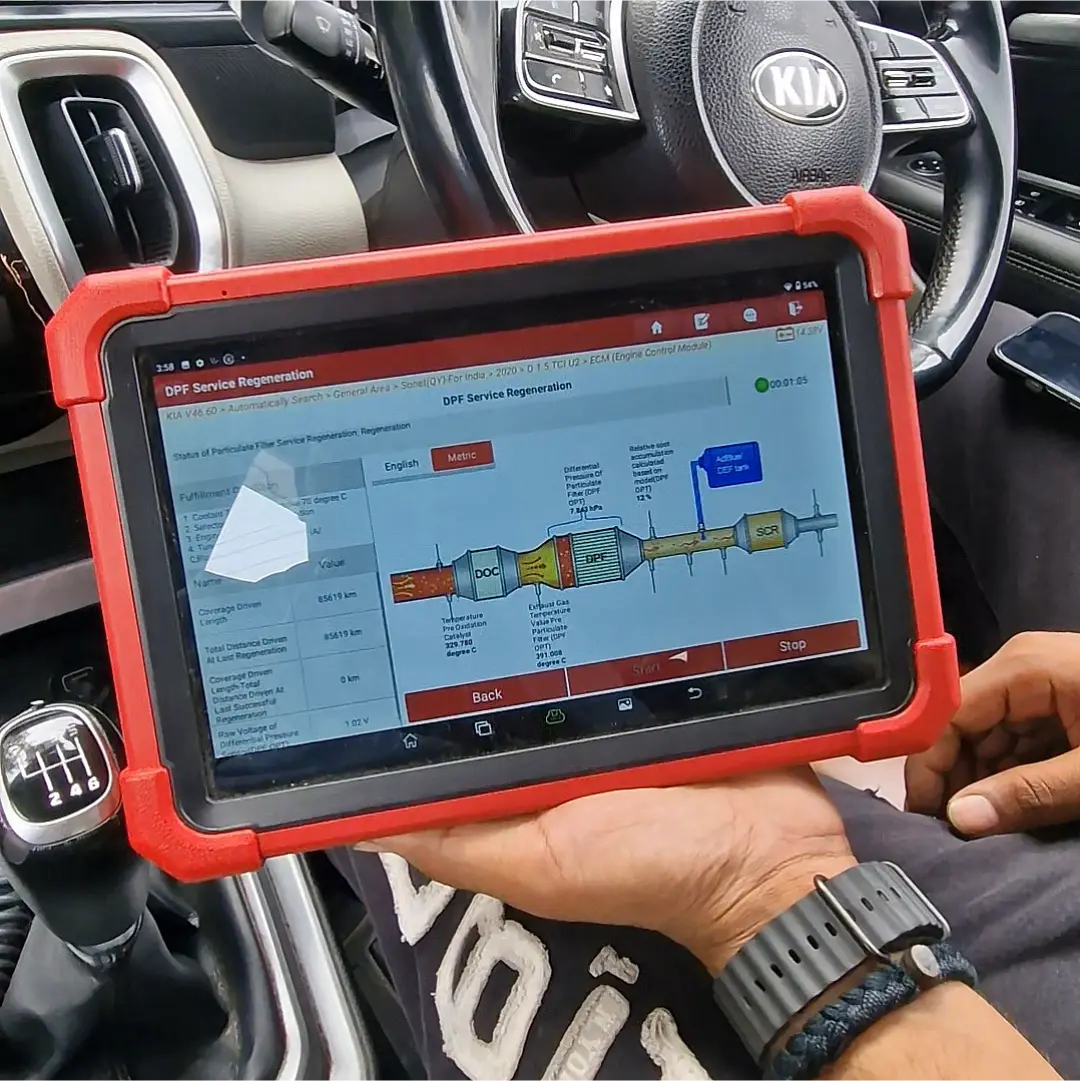
Diagnosis
The service provider assesses the vehicle and DPF condition using relevant diagnostic information and, where applicable, initial backpressure or flow readings.
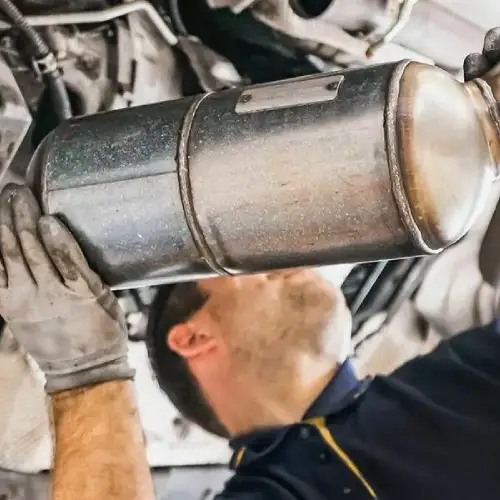
Removal
The DPF is carefully removed from the vehicle following appropriate procedures, with attention to connected sensors, fittings, and components.
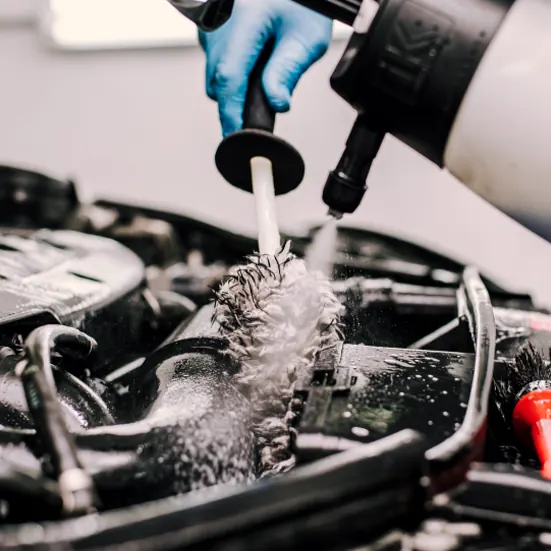
Cleaning Cycle
The filter undergoes a suitable professional cleaning process designed to address accumulated contamination according to its condition and the equipment being used.
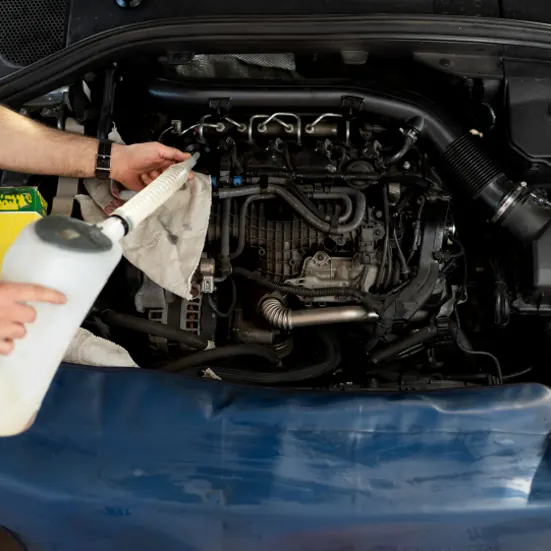
Drying & Testing
After cleaning, the filter is properly dried and may be tested to assess its condition and flow performance.
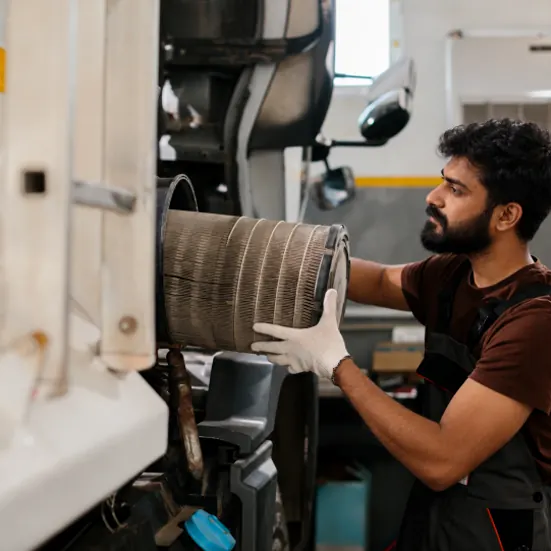
Refit & Report
Once considered suitable for reuse, the DPF is refitted and the service provider may provide relevant inspection, testing, or before-and-after service details.
Cleaning Vs The Shortcuts
Every workshop offers one of these four. Only one is legal, complete and repeatable.
| What the buyer should check | 3E DPF Doctor professional process | Direct jet-water washing | Open compressed-air blowing |
|---|---|---|---|
| DPF condition checked first? | Inspect the filter and assess whether it is suitable for cleaning. | Often skipped in a quick wash. | Often skipped in a quick blow-out. |
| What the method mainly does | Uses a controlled cleaning workflow suited to the component and contamination. | Flushes material with tap water. High NaCl | Dislodges loose deposits with air. |
| Soot addressed? | Assessed and cleaned where the filter is serviceable. | May remove some soot. | May dislodge loose soot. |
| Accumulated ash removed? | The process should include an appropriate removal stage and post-cleaning check when ash is the concern. | A hose alone does not prove this. | Properly engineered reverse-flow pneumatic cleaning can remove ash; open air blowing is not the same process. |
| Control over the process | Use documented settings and handling appropriate to the machine and DPF type. | Direct jet pressure, direction and drying may not be controlled. | Pressure, dust capture and direction may not be controlled. |
| Potential concern if used carelessly | NO | An aggressive jet or inadequate drying may damage a vulnerable filter. Also deposition of NaCL | Uncontained dust exposure or incomplete cleaning. |
| Result verified? | Record applicable before-and-after inspection and flow or pressure measurements. | No Proof for result | No proof for result and validation |
| Best description | Measured DPF cleaning for serviceable filters. | A quick wash is not automatically a complete DPF service. | An open blow-out is not the same as professional pneumatic ash cleaning. |
| Heat-only “burning” | HHO carbon cleaning | Chemical spray or soak only |
|---|---|---|
| Must be checked before heating. | Typically treats the engine on-vehicle, not the removed filter. | May be applied before the filter’s condition is established. |
| Oxidizes combustible soot at very high temp 700-1000 Celcius | Targets engine carbon deposits; it is not a physical DPF ash-extraction process. | Loosens deposits according to the chemical and application. |
| Can oxidise soot under a controlled thermal cycle or may damaged the filter | May influence soot indirectly through engine or regeneration treatment; not equivalent to off-vehicle DPF cleaning. | May loosen soot, depending on formulation. |
| No—not by heating alone. | No physical ash extraction. | A spray or soak alone does not establish that trapped ash has been extracted. |
| Heating and cooling may not be controlled | Does not directly control cleaning inside each DPF channel. | Chemical compatibility, concentration, contact time, rinsing and drying matter. |
| Thermal stress or ash remaining after soot is burned. May crack the ceramic | Mistaking an on-engine carbon service for DPF ash cleaning. Will clogged the DPF | Residual chemical or unresolved restriction if there is no complete removal and rinse process. May block the dpf |
| No proof for result and validation | No proof for result and validation. | No proof for result and validation |
| Thermal treatment is a stage, not necessarily a finished clean. | An engine-carbon service is not a substitute for DPF ash removal. | Chemistry may assist cleaning; spraying alone is not proof of a clean filter. |
DPF Cleaning Cost In Chandigarh
Published, not hidden behind an enquiry form. The exact figure depends on the vehicle and how far the filter has gone.
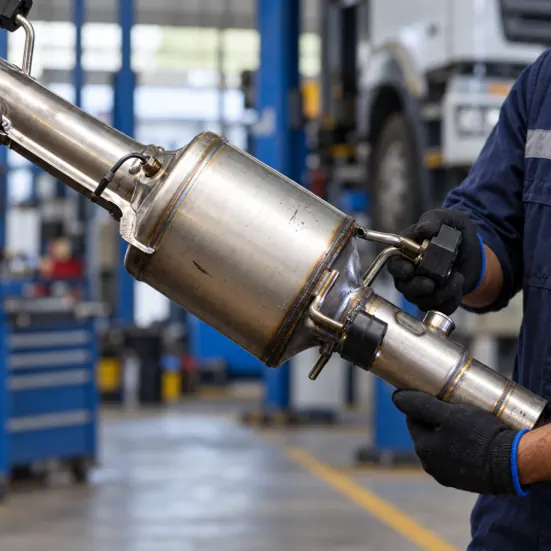
SCR Cleaning Charges ₹7000/-
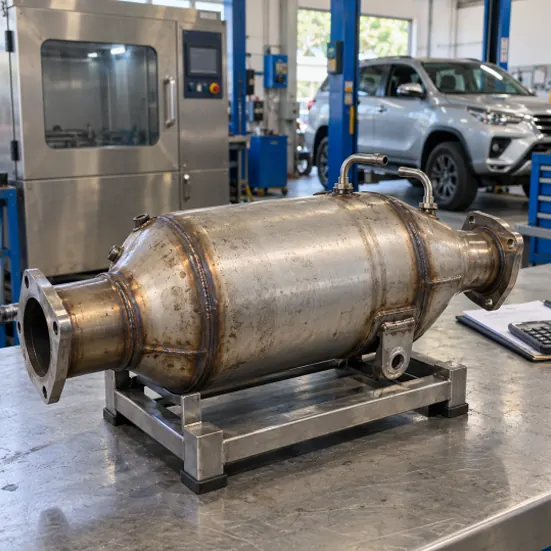
DPF Cleaning Charges LCV ₹3000/-

MCV Cleaning Charges ₹4000/-

HCV Cleaning Charges ₹5000/-
DOC Cleaning Charges ₹3000/-
Where We Are — Where You Can Grow
We operate across India, with opportunities to establish your DPF cleaning business in new markets and serve local fleets.
DPF Basics, Answered
A DPF is a ceramic filter with thousands of small channels that trap soot and ash from diesel exhaust to meet modern emission standards in cars, trucks, buses and off-highway equipment. It has been standard on new diesel vehicles for years under Euro VI/BS6 and similar regulations globally.
BS6 systems typically include DPF, SCR (Selective Catalytic Reduction), DOC (Diesel Oxidation Catalyst) and EGR (Exhaust Gas Recirculation), working together to reduce particulates, NOx and other pollutants before exhaust leaves the tailpipe. 3E DPF Doctor’s ecosystem is specifically designed to restore all four components in one standardized process.
Stricter emission regulations (Euro VI/BS6, ADR 79/80, EPA standards, etc.) require particulate and NOx control, so OEMs fit DPFs and ATS hardware on nearly all modern diesel vehicles to comply and protect public health.
Regeneration is the process by which accumulated soot in the DPF is burned off, usually by raising exhaust temperature so the soot oxidizes inside the filter media. This happens automatically under suitable driving conditions but is supported by the engine control unit using fuel injection strategies and catalytic coatings.
Passive regeneration occurs during normal driving when exhaust temperatures are consistently high enough to burn soot as it forms. Active regeneration is ECU-controlled; extra fuel is injected to raise exhaust temperature when soot load crosses a threshold, while forced regeneration is initiated via diagnostic tools when the system needs help to clear soot.
Short, low-speed trips, long idling and cold engine operation prevent exhaust temperatures from reaching the level required for effective regeneration, causing soot to accumulate instead of burn off. Over time this leads to blocked filters, warning lights and limp-mode events.
Common causes include high soot output from engine faults (injectors, EGR, turbo, oil consumption), repeated short-trip driving, long idling, incorrect engine oil and failed sensors or pressure sensors that prevent proper regeneration. Over time, ash from fuel and oil additives also builds up and must be physically removed by cleaning.
Yes. Neglected air filters, faulty injectors, stuck EGR valves, worn turbochargers and delayed servicing increase soot and oil carry-over, loading the DPF faster and triggering more active regenerations. Regular maintenance with correct low-SAPS oils and good diagnostics significantly extends DPF and ATS life.
Vehicles used mainly on short trips at low speed never reach the conditions needed for passive regeneration, so soot accumulates until warnings appear and manual cleaning or forced regeneration is required. This pattern is common in city cars, delivery vehicles and buses operating in dense traffic.
Early signs include reduced mileage, sluggish acceleration, higher idle speed, emission warning lights, DPF icons on the dashboard and sometimes a hot diesel smell or increased exhaust smoke. Ignoring these symptoms allows soot and ash to progress from partial to severe blockage.